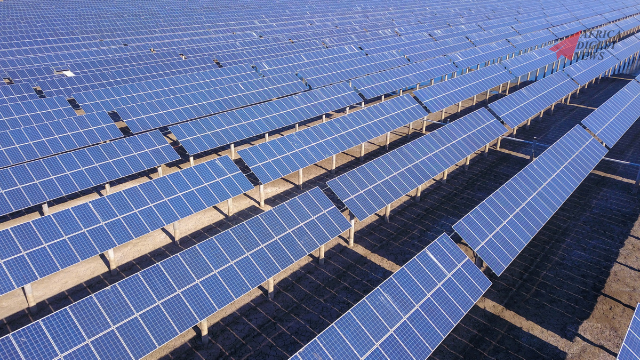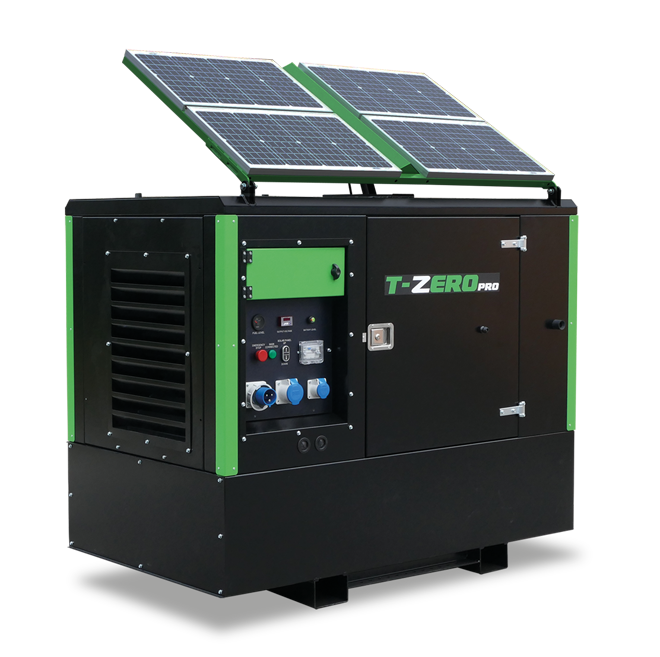
Kenya’s Rural Electrification and Renewable Energy Corporation (REREC) is taking a practical approach to expanding electricity access by integrating solar power into existing diesel plants. Rather than replacing diesel generation entirely, the strategy improves infrastructure that is already in place.
For many rural and off-grid communities, diesel generators remain the backbone of electricity supply because they provide reliable power on demand. Their biggest drawback is cost. Fuel is expensive, transportation is challenging, and operating costs fluctuate with global oil prices. Adding solar changes that equation.
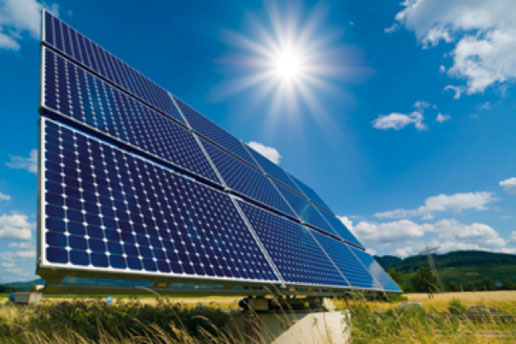
During the day, solar panels can supply much of the electricity demand, reducing the number of hours diesel generators need to run. This lowers fuel consumption, cuts operating costs, and reduces emissions. When solar production falls at night or during cloudy conditions, diesel generators continue providing reliable backup power.
The result is a more efficient and resilient power system without requiring a complete rebuild. This approach also makes economic sense. Instead of investing in entirely new generation assets, REREC is improving the performance of existing facilities. That reduces capital requirements while extending the value of infrastructure already serving rural communities.
The model is particularly suited to areas where extending the national grid would be expensive or take years to complete. Hybrid systems can improve electricity reliability much sooner while keeping costs under control. More broadly, the strategy reflects how many successful energy transitions actually happen. Countries rarely replace one technology with another overnight. They improve existing systems incrementally, combining conventional and renewable energy in ways that deliver better performance and lower costs.
Read Also: Why WSP’s Appointment of Natheera Ravat Matters for Africa’s Renewable Energy Sector
For policymakers across Africa, the lesson is straightforward. The most effective energy projects are not necessarily the biggest or the newest. They are the ones that improve reliability, reduce costs, and make the best use of existing infrastructure. REREC’s solar-diesel hybrid programme is an example of that principle in action. It demonstrates that the path to cleaner energy can also be the most practical one.