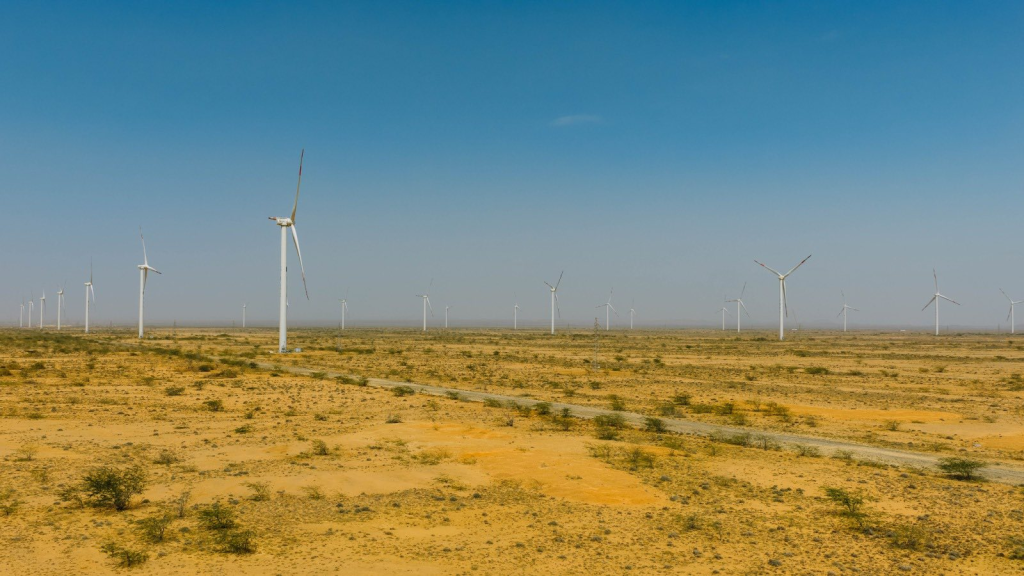
Ethiopia has taken an important step in opening its energy sector to private investment. The African Development Bank Group has approved up to US$110 million to support the 300 MW Aysha Wind Project, which will become Ethiopia’s first wind-powered independent power producer (IPP) and, once completed, the country’s largest wind farm.
The project is significant not simply because of its size, but because of what it represents. For decades, Ethiopia’s electricity system has been built largely around hydropower. While that has provided abundant renewable energy, it has also exposed the country to droughts and changing rainfall patterns. Adding large-scale wind generation diversifies the energy mix and strengthens long-term grid reliability.
More importantly, Aysha demonstrates that private capital is beginning to play a larger role in Ethiopia’s power sector. With an estimated project cost of around US$620 million, the development brings together government policy, private developers, and development finance institutions in a structure designed to attract long-term investment. AMEA Power is leading the project, while the African Development Bank is providing anchor financing that helps reduce risk and improve confidence among other lenders.
That is the bigger story. Africa’s energy challenge has never been a shortage of renewable resources. The continent has world-class solar, wind, hydro, and geothermal potential. The challenge has been developing projects that investors are willing to finance at scale. Projects like Aysha show what happens when those barriers begin to fall. Strong project preparation, credible developers, and blended financing can transform large infrastructure projects from ambitious plans into bankable investments.
Read Also: Why REREC’s Solar-Diesel Hybrid Strategy Makes Sense
For investors, the project signals that Ethiopia’s electricity market is becoming more accessible to private capital. For policymakers, it highlights the importance of creating regulatory and financing frameworks that make large-scale infrastructure investable. Aysha is more than a wind farm. It is another example of how Africa’s energy transition is increasingly being driven by projects that combine public policy, private capital, and sound project structuring to deliver infrastructure at scale.