South Africa is advancing plans for a 1.5 GW pumped-storage project at Tubatse in Limpopo, designed to store electricity and release it into the grid for up to 14 hours at full capacity. Eskom has opened the first stage of a competitive procurement process to identify a strategic partner to develop and finance the proposed facility, which is expected to provide long-duration storage as the country expands its renewable energy capacity. The project would have an estimated storage capacity of 21 GWh, placing it among the major proposed energy-storage developments in the country.
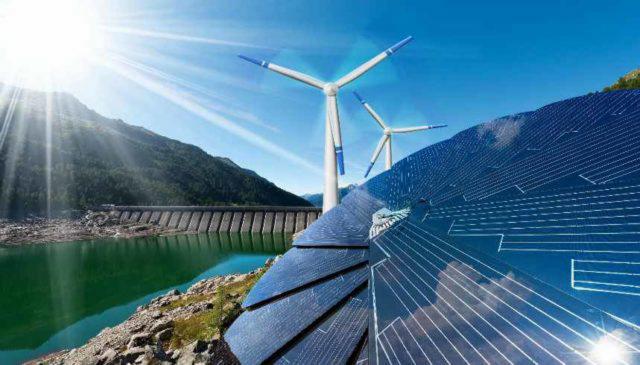
Pumped-storage hydropower works by using electricity to pump water from a lower reservoir to an upper reservoir when power is available, then releasing it through turbines to generate electricity when demand rises. Unlike conventional batteries, which store energy electrochemically, pumped-storage facilities use the gravitational potential energy of elevated water. Their ability to discharge for extended periods makes them useful for balancing electricity supply across changing demand patterns, including periods when solar generation falls after sunset or wind output declines.
The proposed Tubatse scheme could help address a growing challenge for South Africa’s electricity system: ensuring that electricity generated at one time remains available when consumers need it later. Solar and wind projects can increase generation without necessarily matching the timing of demand. Long-duration storage can absorb surplus electricity and return it to the grid during periods of scarcity, reducing the need to rely exclusively on other generation sources to balance the system. However, storage does not create new primary energy, and pumping water requires electricity; the facility’s net contribution will depend on operating efficiency, available power and the difference between charging and discharge periods.
Read Also: Africa Has 58,000 GW of Wind Potential. It Has Installed Just 11.1 GW
Eskom’s procurement process is intended to bring in a strategic partner to support development and financing, with the request-for-qualification stage inviting interested parties to demonstrate their capabilities. Submissions are due on 30 November 2026. The structure of the eventual partnership, the financing arrangements and the project’s construction timetable will be important in determining whether the proposed capacity can be delivered. As with other large infrastructure projects, the announcement of a tender marks a step in development rather than confirmation that construction is underway or that the facility is ready to operate.
Tubatse’s significance will ultimately depend on how it fits into South Africa’s wider electricity system. A 21 GWh storage facility could provide substantial flexibility, but its value will also depend on transmission capacity, access to affordable electricity for pumping, water availability, market arrangements and how frequently the system needs long-duration storage. The project illustrates why the energy transition requires more than adding renewable generation: it also requires infrastructure that can shift electricity across time, helping supply remain dependable when the sun is not shining and the wind is not blowing.