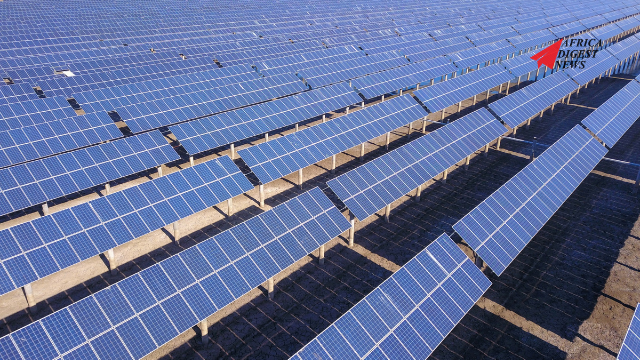
Solarise Africa plans to deploy 3 MW of new renewable energy capacity in Uganda and Zambia through a €2 million programme combining grant funding and company investment. The initiative includes a €1 million grant from EEP Africa, matched by €1 million from Solarise Africa, to expand its solar-leasing operations and help commercial and industrial customers access renewable energy without carrying the full upfront cost of purchasing and installing systems.
The programme will run for 24 months and is expected to combine solar photovoltaic systems with battery storage and, where suitable, heat pumps. Its targets include generating at least 4.5 GWh of renewable electricity and avoiding approximately 3,600 tonnes of carbon dioxide emissions. These figures represent projected outcomes rather than capacity already installed or electricity already generated.
The leasing model addresses a practical barrier to commercial solar adoption. Businesses can face substantial initial costs when investing in panels, inverters, batteries and installation, even where solar could reduce their dependence on grid electricity or expensive backup power. By spreading costs through a leasing arrangement, Solarise Africa aims to make renewable energy more accessible to businesses that may not want to commit large amounts of capital to owning their own energy infrastructure.
For Uganda and Zambia, the expansion also highlights the role of private financing models in developing distributed energy markets. Solar deployment is not determined by equipment availability alone; it also depends on whether businesses can secure financing, whether projects deliver dependable electricity and whether the resulting savings justify the cost of the system. Battery storage can improve the usefulness of solar by making electricity available beyond daylight hours, although project economics will depend on each customer’s consumption patterns, tariffs and financing terms.
Read Also: Why Solar Power Alone Is Not Solving Africa’s Energy Access Problem
The programme’s performance will ultimately be measured by how much capacity is installed, how many businesses adopt the leasing model and whether the systems deliver the expected energy and emissions benefits. The €2 million commitment provides a financing base for the expansion, but its wider significance will depend on whether the model can attract further customers and capital beyond the initial programme. For Solarise Africa, Uganda and Zambia offer an opportunity to demonstrate whether leasing can help commercial solar move from a technically viable option to an accessible business investment.


