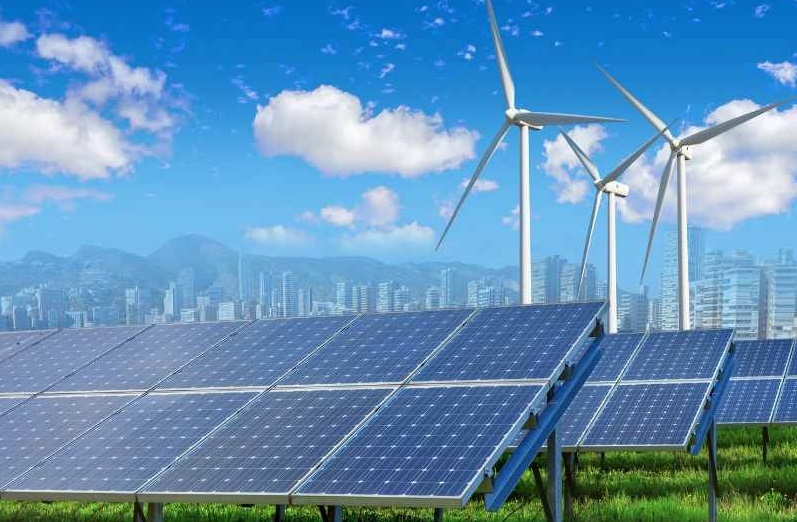
South Africa’s installed renewable energy capacity is projected to overtake thermal power capacity by 2035, marking a potential turning point for a power system that has depended heavily on coal-fired generation for decades. The forecast by GlobalData reflects the expansion of solar and wind projects, the retirement of older coal plants and the growing role of private developers in supplying electricity to businesses and the national grid.
GlobalData’s latest outlook projects South Africa’s total installed power capacity growing at a compound annual rate of 3.5% between 2025 and 2035. The transition is being supported by changes to electricity market rules that have enabled businesses to procure power from independent producers, alongside government procurement programmes and corporate power purchase agreements. Mines, manufacturers and other large electricity users are increasingly able to contract renewable supply directly, with electricity wheeling allowing power generated in one location to be delivered to customers elsewhere through the grid.
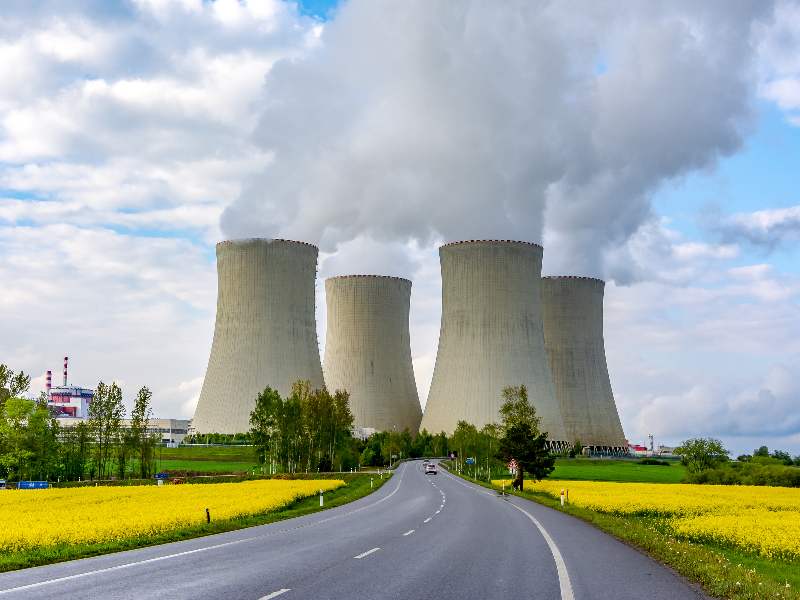
However, installed capacity and electricity generation measure different things. A solar or wind project’s rated capacity indicates how much power it can produce under specified conditions, not how much electricity it will generate continuously. Solar output falls after sunset, while wind generation varies with weather conditions. Coal plants can provide dispatchable electricity when operating, although their actual output depends on plant availability, fuel supply and maintenance. As a result, renewables could account for a larger share of installed capacity without immediately displacing thermal power at the same rate in actual generation. GlobalData’s earlier outlook projected renewables supplying 31.3% of South Africa’s electricity generation by 2035, compared with 8.9% in 2024.
Transmission infrastructure is likely to be one of the decisive factors in determining how quickly the projected shift occurs. South Africa has substantial solar and wind resources, particularly in provinces with strong renewable generation potential, but grid capacity in key areas is already constrained. New projects cannot contribute fully to the electricity supply if they cannot secure connections or move their output to demand centres. Battery storage, flexible generation and better coordination between generation and transmission will also be important as variable renewable output takes a larger share of the capacity mix. Without timely network expansion, projects may face delays even when developers have secured financing or power purchase agreements.
Read Also: Qair Secures €30 Million Debt for Chad’s Solar-Plus-Storage Projects
The transition will also require careful management of the coal fleet as older plants approach retirement. Closing capacity before replacement supply and supporting infrastructure are ready could create reliability challenges, while delaying retirements can slow the reduction of coal’s role in the electricity system. The pace of change will therefore depend on whether new renewable projects reach commercial operation, grid upgrades keep pace with development and sufficient flexible resources are available to balance supply and demand. GlobalData identifies transmission expansion and the integration of renewable energy as central conditions for the sector’s next phase.
The 2035 forecast is a projection, not a guarantee that renewables will supply most of South Africa’s electricity by that date. It nevertheless points to a structural change in the country’s power market, where the challenge is shifting from securing generation projects alone to ensuring that new capacity can be connected, dispatched and used reliably. Whether renewable capacity overtakes thermal power on schedule will depend as much on infrastructure delivery and market reform as on the volume of solar and wind projects being developed.