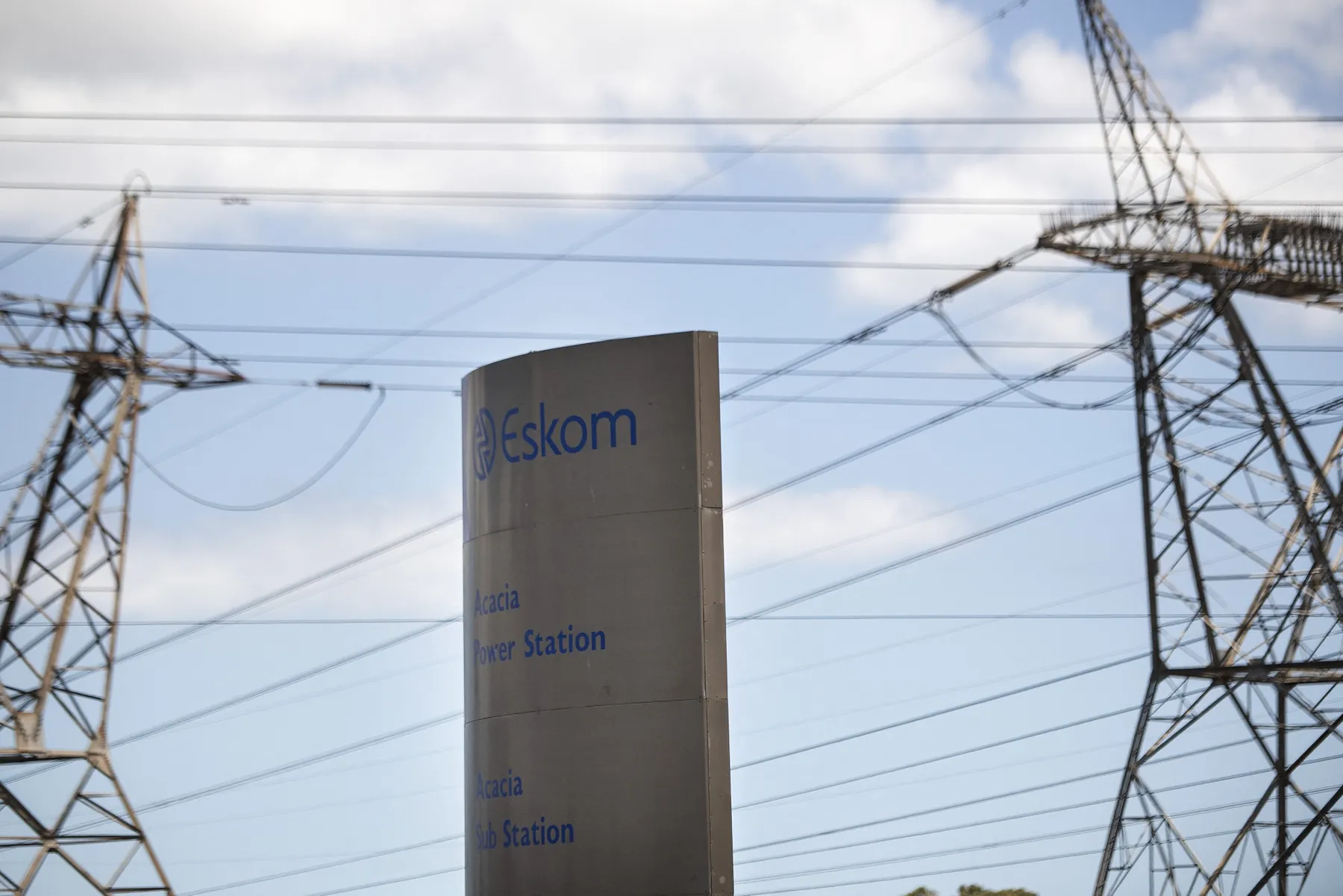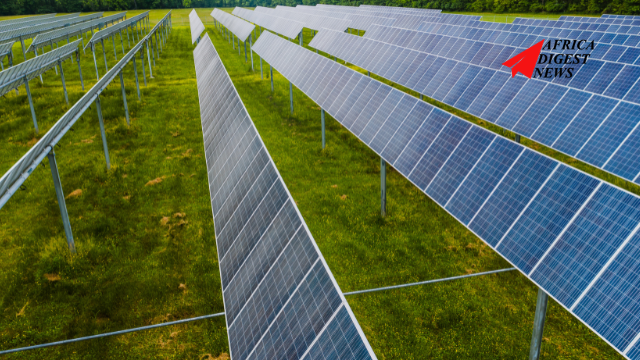
Nigeria’s national grid has failed 140 times in the past decade. Many areas receive reliable electricity for only five to six hours per day. The result: businesses are abandoning the grid entirely and turning to solar. Commercial and industrial users who switch to on-site solar achieve 20 to 30 percent cost savings compared to diesel self-generation. For petrol stations, cold storage operators, malls, and telecom towers, the math is simple:
- Diesel generators: high fuel cost, constant maintenance, noise, emissions.
- Solar + batteries: zero fuel cost, minimal O&M, silent operation, 25-year asset life.
PowerGen Renewable Energy is betting that this logic scales. The company recently closed a strategic investment from All On Partnerships for Energy Access and IFU (Denmark’s development finance institution), advised by Delphos. The funding will expand PowerGen’s C&I and distributed utility platform, targeting 120 MW of power solutions including microgrids and battery storage across Nigeria, Sierra Leone, and the DRC. The deal is expected to support up to 6,000 electricity connections and reach 41,000 beneficiaries.
Currency volatility is the silent killer of African energy projects. Naira depreciation increases the cost of imported equipment and complicates repayment of dollar-denominated financing. Connor Shine, Director at Delphos, explained how the PowerGen deal structured financing to manage these risks. The specifics were not disclosed, but the principle is clear: match revenue currency to debt currency where possible, and use concessional or local-currency tranches to absorb FX shocks.
This raises a broader question: Could similar financing models accelerate decentralized energy investment in Kenya, Ghana, and the DRC? The answer depends on whether local regulators allow wheeling, net metering, and direct corporate PPAs.
Read Also: Africa Energy Bank delayed again—November launch now in doubt
Nigeria’s off-grid solar sector received an $83.2 million boost in May 2026 from the IFC and Norfund to expand solar hybrid mini-grids. The project, implemented through Distributed Power Africa, aims to connect nearly 500,000 new households in rural and peri-urban areas. Meanwhile, the federal government’s Nigeria Electrification Project (NEP) is deploying 1,350 mini-grids, including 250 interconnected systems. The Presidential Villa itself has turned to solar as grid unreliability worsens.
But none of this is happening because of a master plan. It is happening because businesses cannot wait for policy.
Nigeria is emerging as sub-Saharan Africa’s largest small-scale solar market—bypassing the national grid entirely. BloombergNEF notes that utility-scale investment has stalled while distributed solar booms. This is a paradox: a country with 120 million people without electricity is building a solar market faster than any other in Africa—without a functioning grid to anchor it.