Kamoa Copper is expanding its solar-and-battery programme at the Kamoa-Kakula mining complex in the Democratic Republic of Congo (DRC), with a fourth project deal supporting its target of securing 120 MW of continuous renewable electricity by the end of 2027. The latest contract adds to a programme designed to provide reliable power for energy-intensive copper mining and processing operations while reducing reliance on diesel generation. Two facilities are already operational, supplying a combined 60 MW of continuous power, while two additional 30 MW projects are planned.
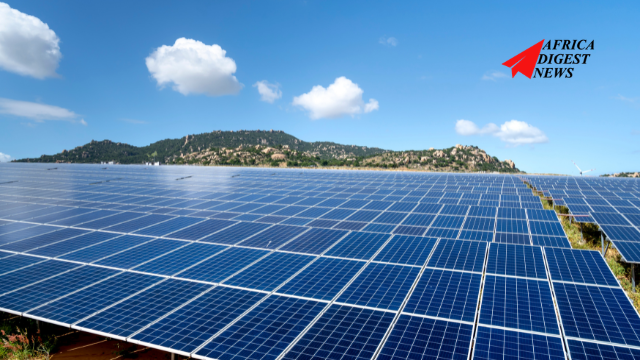
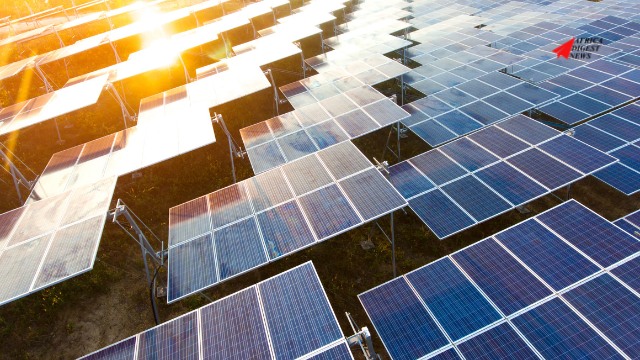
The two operating facilities combine 433 MWp of solar photovoltaic capacity with 1,107 MWh of battery storage. Although the panels have a much higher peak capacity than the electricity delivered continuously, the batteries allow daytime generation to be stored and dispatched when sunlight declines. The integrated system is designed to supply the mine with 60 MW around the clock, illustrating how solar generation and storage can be configured to provide a firm electricity supply rather than only intermittent daytime power. The facilities reached full operation during the third quarter of 2026.
The expansion includes two further contracts, each for 30 MW of baseload renewable power. Kamoa Copper awarded a contract to Green World Energie in April 2026 and another to Lualaba Solar Company in August. Both projects are planned within the mining complex’s joint-venture licence area, with completion targeted for the end of 2027. Once the four projects are operating as planned, their combined contracted output would rise to 120 MW of continuous power. That figure refers to the firm supply delivered to the mine, not the combined peak capacity of the solar panels.
The commercial structure also matters. Independent power producers are developing, financing and operating the facilities, while Kamoa Copper purchases the electricity under power purchase agreements. This arrangement allows the mine to secure additional renewable power without having to fund and operate every part of the generation and storage infrastructure itself. It also gives the project developers a contracted customer for the electricity they produce. The model is particularly relevant for mining operations, where reliable power is essential for crushing, milling, smelting and other processes that run beyond daylight hours.
Read Also: Côte d’Ivoire Adds 50 MW Solar Project to Its Renewable Energy Pipeline
The programme is already affecting the mine’s energy mix. Ivanhoe Mines reported that the existing solar-and-storage facilities were fully ramped up by the end of September 2026, and that diesel-generator consumption fell by approximately 40% during the third quarter as the new renewable supply came online. That reduction is an operating result reported by the company, while the further decrease expected from the expansion will depend on the performance of the new facilities and the mine’s overall electricity demand.
Kamoa Copper’s expansion demonstrates how large industrial electricity users can deploy solar and battery storage to meet a portion of their round-the-clock power requirements. The approach does not remove the need for other sources of electricity, but it can reduce fuel use by converting abundant daytime solar generation into a more controllable supply. The next milestone is delivery of the two additional projects by the end of 2027. If completed on schedule, the programme will double the mine’s contracted continuous solar-and-storage supply from 60 MW to 120 MW.