Ethiopia’s Corbetti geothermal project has secured a new ownership structure and a US$9.5 million convertible loan facility from impact investor Taranis Operations Ltd to finance exploration drilling. The transaction gives Taranis a majority stake in Corbetti HoldCo, the company behind the project, while existing development partner InfraCo Africa, part of the Private Infrastructure Development Group (PIDG), retains a significant minority interest. The deal is intended to move one of Ethiopia’s major privately developed geothermal projects closer to establishing its underground resource and advancing towards power generation. Eversheds Sutherland
The financing is part of a broader investment and restructuring arrangement involving new equity subscriptions, a shareholding reorganisation and the exit of existing minority shareholders. The transaction includes approximately US$17.1 million in new equity from Taranis and US$6.74 million from InfraCo, alongside the convertible loan facility and other steps involving existing loans and share transfers. The arrangement is subject to required third-party approvals, including regulatory approvals in Ethiopia and the Common Market for Eastern and Southern Africa (COMESA). These measures reshape the project’s ownership and funding structure as the partners prepare for the next stage of development.
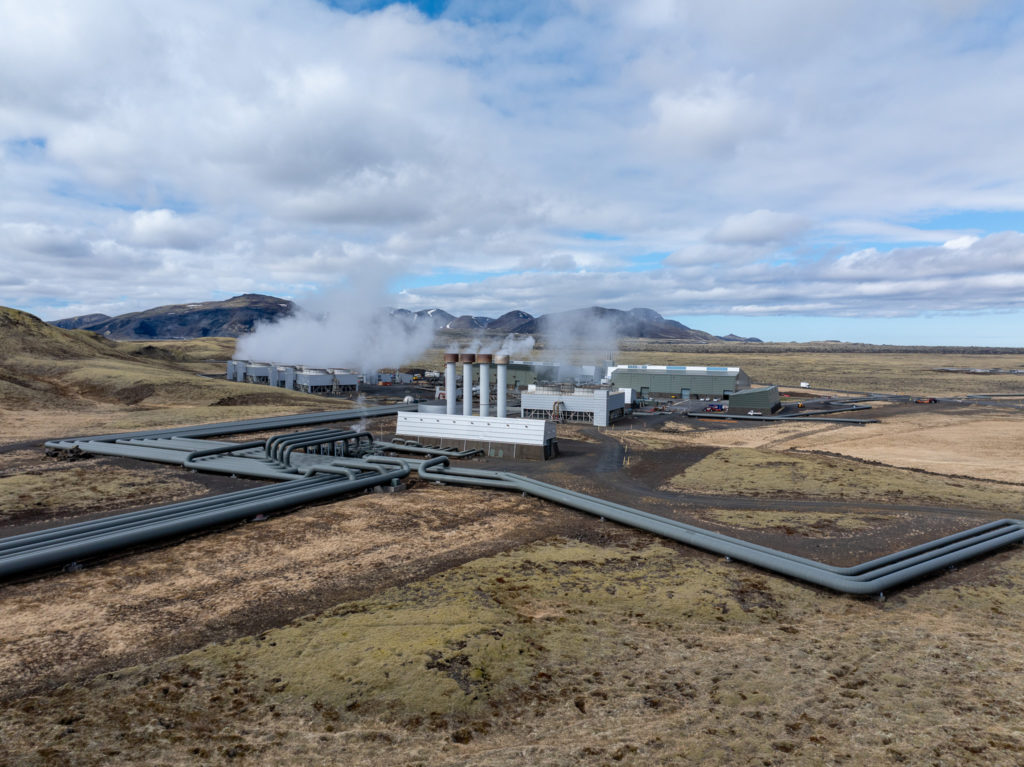
The immediate priority is exploration drilling, which will help establish the geothermal resource available for commercial development. Unlike solar and wind projects, geothermal power depends on confirming underground heat, fluid and reservoir conditions before developers can determine the wells, steam-field infrastructure and generating equipment required. The US$9.5 million facility is intended to support this exploration stage; it is not the full construction budget for the planned power plant. The project’s technical results will be important in determining how development proceeds and the scale of generation that can ultimately be supported.
Corbetti is located in the Corbetti Caldera, approximately 250 kilometres from Addis Ababa. Its first phase is planned around production wells and a steam field serving a 50 MW geothermal power plant, while a second phase is expected to add another 100 MW. If both phases are developed, the project could reach 150 MW of installed capacity. Geothermal energy can provide electricity independently of daylight and short-term weather conditions, giving it a different operating profile from solar and wind. The project could therefore contribute to Ethiopia’s supply of renewable baseload power, although that outcome depends on successful exploration, financing and construction. PIDG
The project has been in development for years. PIDG, through InfraCo, has supported Corbetti since 2015, and the project has a power purchase agreement and an implementation agreement signed with Ethiopian Electric Power and the Ethiopian government on 31 March 2020. The new investment brings a revised ownership structure and dedicated drilling finance into a development that has yet to deliver electricity. It also reflects the challenge of bringing geothermal projects to completion, where resource exploration and technical uncertainty can require substantial upfront funding before a plant can be built.
Read Also: Côte d’Ivoire Adds 50 MW Solar Project to Its Renewable Energy Pipeline
For Ethiopia, the significance of the deal will depend on whether the new capital and ownership arrangement can move Corbetti through exploration and towards financial close and construction. The planned 50 MW first phase and potential 100 MW expansion remain development targets, not operating capacity. The immediate milestone is confirming the resource and translating the results into a viable engineering and financing plan. If successful, Corbetti could add a source of firm renewable electricity to Ethiopia’s power system and demonstrate how private investment can support geothermal development in African markets.