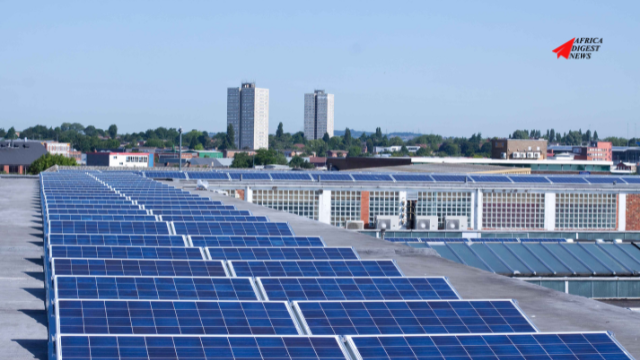
Côte d’Ivoire is expanding its renewable energy pipeline with a 50 MWp solar power plant in Kong, supported by €55.5 million in long-term financing from Dutch development bank FMO. The project is under construction and is expected to begin operations in 2028, adding a new source of solar electricity to the country’s power system. The financing is structured to cover the project’s full long-term funding requirement, giving the development a dedicated financing package as construction advances. Africa Energy
FMO’s €55.5 million facility is a 20-year loan, aligning the repayment period with the long operating life expected of a utility-scale solar plant. Long-term debt is particularly relevant for renewable energy projects because most of the capital expenditure occurs before a facility begins generating revenue. The financing therefore helps support construction while allowing repayment to be linked to income expected from electricity sales once the plant becomes operational.
The Kong plant is expected to generate approximately 96 GWh of electricity annually. That output is a forecast rather than current supply: the project must complete construction, connect to the grid and begin commercial operations before it can deliver power. Once operational, the plant’s electricity will be sold to Côte d’Ivoire’s state-owned electricity company, CI-ENERGIES, under a 25-year power purchase agreement. The long-term contract provides a defined buyer for the electricity and helps establish the revenue framework underpinning the project’s financing.
The project adds to Côte d’Ivoire’s efforts to diversify electricity generation as demand grows. Solar plants can provide additional daytime electricity without requiring fuel purchases, while their output depends on sunlight and varies with weather and time of day. Integrating new solar capacity therefore also requires adequate transmission infrastructure and careful coordination with other generation sources to ensure that electricity can reach consumers when it is needed. The Kong project’s contribution will depend not only on its installed capacity, but also on its actual output and integration into the national grid.
Read Also: South African Banks Launch Joint Platform to Expand Renewable Energy Financing
The financing also highlights the role development finance institutions can play in mobilising capital for African renewable energy projects. FMO’s long-term loan is intended to finance the project rather than simply provide a short-term construction contribution, supporting a development whose costs must be recovered over years of electricity sales. For Côte d’Ivoire, the next milestones are completing construction, commissioning the facility and beginning delivery under the power purchase agreement.
With commercial operation expected in 2028, the Kong project remains a future addition to the country’s electricity supply. Its projected 96 GWh of annual generation would provide a measurable contribution to the grid, while its financing structure illustrates how long-term lending and contracted electricity sales can support privately developed solar infrastructure. The project’s eventual impact will be determined by successful delivery and the amount of electricity it actually generates once operational.


