Ghana is advancing plans to procure 200 MW of utility-scale battery energy storage capacity, signalling a strategic shift toward strengthening grid flexibility as solar deployment accelerates across the country.
The storage initiative reflects a growing recognition that expanding renewable energy requires parallel investment in grid-balancing infrastructure, particularly in markets where thermal generation has historically provided stability during peak demand periods.
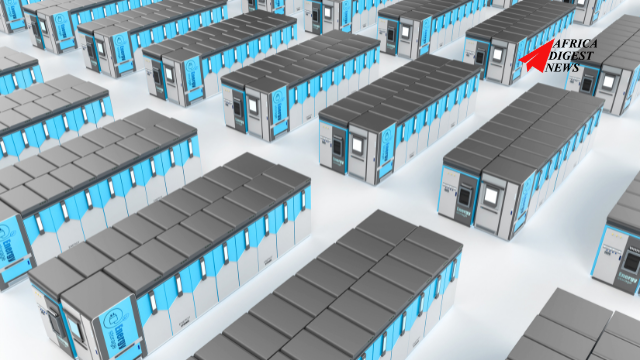
Battery energy storage systems (BESS) allow electricity networks to absorb surplus solar generation during the day and release it during evening demand peaks, reducing reliance on oil- and gas-fired power plants while improving supply reliability.
For Ghana, the procurement marks one of the earliest large-scale storage deployments in West Africa, positioning the country as a regional leader in modern grid infrastructure planning.
The move also signals a policy shift toward flexibility-first power planning, where storage becomes central to managing variability from renewable generation rather than relying exclusively on conventional backup capacity.
Beyond operational benefits, the initiative sends a strong signal to independent power producers and infrastructure investors that Ghana is preparing its grid for higher renewable penetration.
As solar capacity continues expanding across the region, storage procurement frameworks like this are expected to play a critical role in attracting long-term capital into flexible power infrastructure.
If implemented successfully, the programme could strengthen Ghana’s energy security while accelerating its transition away from thermal peak-generation dependence.
By Thuita Gatero, Managing Editor, Africa Digest News. He specializes in conversations around data centers, AI, cloud infrastructure, and energy.