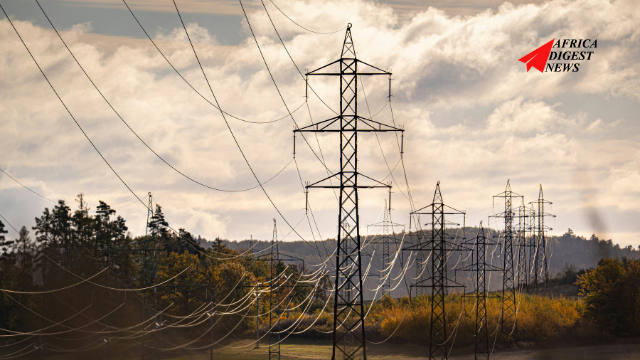
North Africa is strengthening its role as a future electricity export hub to Europe through the ELMED interconnector, alongside Libya’s emerging strategy to supply hybrid solar- and gas-generated electricity into Mediterranean markets.
The developing corridor reflects Europe’s push to diversify electricity imports following the disruption of Russian energy supplies and its broader effort to secure low-carbon power sources to support industrial decarbonisation targets.
The Tunisia–Italy interconnector forms part of a wider transmission architecture that aligns with the ambitions of the African Single Electricity Market, positioning North Africa not just as a regional supplier but as a gateway between African renewable resources and European demand centres.
Libya’s parallel export ambitions further reinforce this strategy. By combining gas-fired capacity with new solar generation, the country is exploring hybrid export models designed to supply firm electricity across Mediterranean transmission corridors.
Electricity exports could become a major foreign-exchange revenue stream for North African economies, similar to traditional hydrocarbons but aligned with Europe’s climate transition pathway.
For Europe, the corridor represents an opportunity to secure reliable clean power imports from geographically proximate markets. For North Africa, it creates a pathway to monetise large-scale solar potential through cross-border electricity trade.
Together, these developments position the Mediterranean corridor as one of the most strategically important emerging energy infrastructure routes between Africa and Europe.
By Thuita Gatero, Managing Editor, Africa Digest News. He specializes in conversations around data centers, AI, cloud infrastructure, and energy.