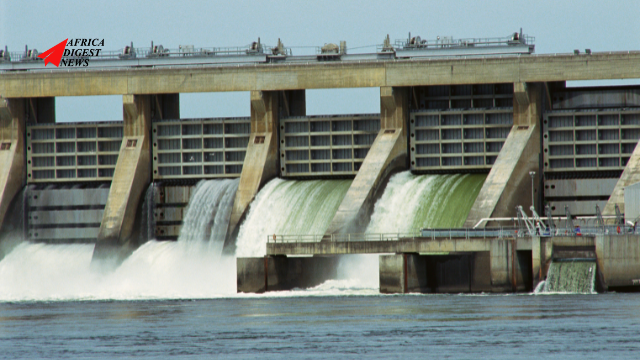
Ethiopia is rapidly solidifying its position as a regional energy powerhouse, primarily driven by the monumental Grand Ethiopian Renaissance Dam (GERD). This ambitious project is not merely a domestic infrastructure achievement but a strategic asset poised to reshape the energy landscape of East Africa, providing a critical foundation for economic development and regional integration.
The GERD, Africa’s largest hydroelectric project, was inaugurated in September 2025, marking a historic moment for the nation. With an operational capacity that includes 2,350 MW already online, the dam is progressively contributing significant clean energy to Ethiopia’s grid.
Once fully completed, its immense generating potential will far exceed Ethiopia’s domestic needs, creating a substantial surplus for export. This abundant, renewable power is crucial for fueling Ethiopia’s industrialization efforts, expanding access to electricity for its population, and reducing reliance on traditional, less sustainable energy sources.
Beyond its domestic impact, the GERD is central to Ethiopia’s vision of becoming a major energy exporter in the East African region. The country has already demonstrated its capability in this regard, earning $118.1 million in 2024/25 from electricity exports to neighboring Kenya, Djibouti, and Sudan.
These power sales not only generate vital foreign exchange revenue but also strengthen diplomatic ties and foster regional energy security. The GERD’s ability to provide stable, affordable, and clean electricity can significantly alleviate power deficits in partner countries, supporting their own development agendas.
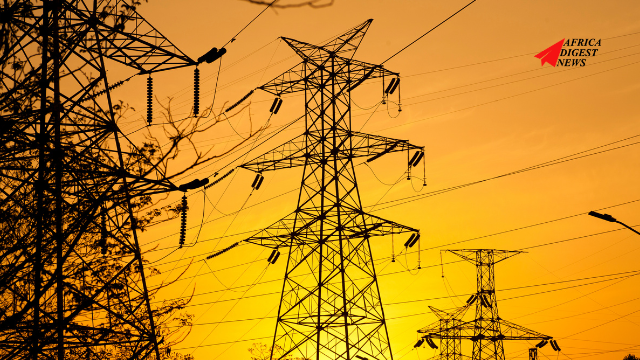
To facilitate these regional power exports, robust transmission infrastructure is paramount. Ethiopia is actively involved in developing and strengthening cross-border transmission lines connecting to Kenya, Djibouti, and Sudan. These high-voltage interconnections are the arteries through which the GERD’s power will flow, enabling efficient and reliable energy trade.
The development of these lines requires significant investment and technical expertise, but they are indispensable for realizing Ethiopia’s ambition to be a regional energy hub. Such infrastructure projects also contribute to the broader goal of creating a more interconnected and resilient East African Power Pool.
The strategic importance of the GERD extends beyond megawatts and revenue. It represents a powerful symbol of African self-reliance and a testament to Ethiopia’s commitment to sustainable development. By harnessing its natural resources, Ethiopia is not only addressing its own energy poverty but also contributing to the economic upliftment of its neighbors. The ongoing development of power plants, transmission lines, and substations associated with the GERD is laying the groundwork for a future where clean, affordable energy is a catalyst for widespread prosperity across the Horn of Africa.
Read Also: Uganda’s Hydropower Potential Driving Regional Energy Integration
Ethiopia’s journey with the GERD is a compelling narrative of infrastructure development driving national and regional transformation. As the project continues to come fully online and its export capabilities expand, it will undoubtedly play an increasingly pivotal role in shaping the energy future of East Africa for decades to come.