South Africa has mobilised nearly US$7 billion in private capital for its energy sector with support from the World Bank Group, as reforms aimed at expanding private electricity generation begin to reshape the country’s investment landscape. The financing reflects a shift in how South Africa is addressing its power constraints: alongside public investment, the government has increasingly opened opportunities for independent producers and private investors to build and supply electricity. The mobilisation figure, however, represents capital attracted with development support rather than money necessarily disbursed in full or projects already completed.
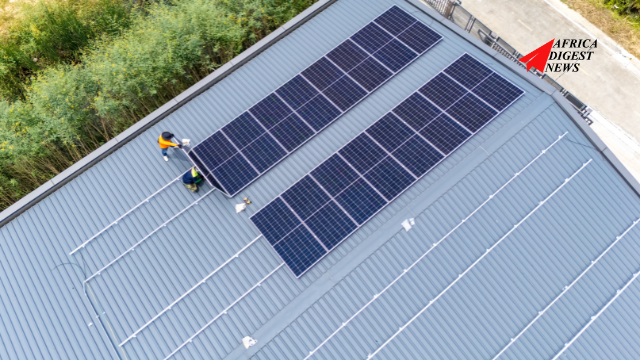
A major part of the shift has been the removal of regulatory barriers that previously constrained private power generation. South Africa amended its electricity rules to allow private generators to develop larger projects without the previous licensing limits, creating more room for companies to build renewable-energy plants for their own use or to sell electricity to other customers. These changes helped accelerate investment in commercial and industrial solar, wind and other generation projects, while procurement programmes continued to bring independent power producers into the national electricity market.
World Bank Group support has helped provide financing and risk mitigation intended to make energy investments more attractive to private capital. Development finance institutions can support projects through loans, guarantees, advisory services and structures that reduce risks investors may otherwise be reluctant to take. In South Africa, the wider reform effort has also involved changes to the electricity market and steps towards greater competition, giving private participants more ways to generate, trade and sell power. The effectiveness of these measures depends on how consistently the rules are implemented and whether projects can secure grid access and reliable revenue arrangements.
The investment surge comes as South Africa works to address constraints that extend beyond generation capacity. New wind and solar plants need transmission infrastructure capable of connecting them to demand centres, while a more competitive electricity market requires clear rules for trading, settlement and system operation. Transmission investment has therefore become a critical part of the next phase. Without sufficient grid capacity, projects may face delays or curtailment even when financing and equipment are available, limiting the amount of new electricity that can reach customers.
Read Also: Qair Secures €30 Million Debt for Chad’s Solar-Plus-Storage Projects
The nearly US$7 billion mobilisation figure points to the potential for policy reform and development finance to attract private investment into a sector that has long faced electricity shortages and infrastructure constraints. But the next measure of progress will be how much of that capital translates into completed projects, additional electricity and stronger networks. South Africa’s experience shows that regulatory changes can create investment opportunities; sustaining the momentum will depend on predictable implementation, viable power-sale arrangements and the grid infrastructure needed to carry new generation to consumers.