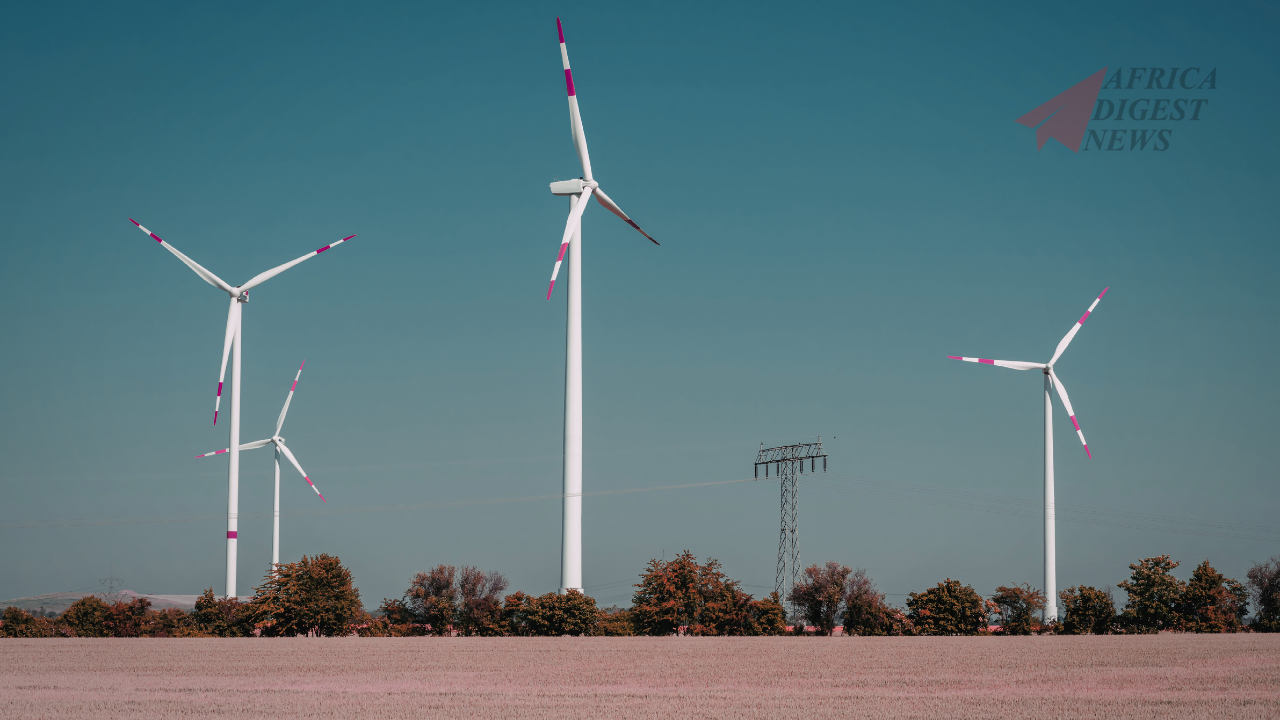
Comoros has commissioned roughly 20 MW of solar capacity across its three main islands, but the significance of the project is much larger than its installed capacity suggests. Masdar has brought three solar PV plants into operation on Grande Comore, Anjouan and Mohéli, alongside 16 MWh of battery storage and about 30 kilometres of new medium-voltage lines. In a country whose electricity generation was about 91% diesel-fired in 2024, the project is effectively changing the fuel structure of the power system rather than simply adding another renewable plant.
The numbers show why scale is relative in small electricity markets. The three plants total 12.86 MW on Grande Comore, 4.05 MW on Anjouan and 3.1 MW on Mohéli, with expected annual generation of about 33.75 GWh. That is projected to meet the equivalent demand of roughly 17,500 households and represent about 13.3% of national electricity demand. In a much larger power system, 20 MW would barely register. In Comoros, it can displace a meaningful amount of diesel generation, reducing the amount of imported fuel required to keep generators running.
The batteries are equally important. Solar PV produces electricity when the sun is available, while electricity demand does not stop when the sun goes down. The project therefore includes 16 MWh of battery storage with 8 MW of output on Grande Comore and Anjouan. The batteries can absorb solar generation and release electricity when it is needed later, while also helping manage fluctuations in renewable output. This matters particularly on an island grid, where there are fewer large generators and interconnections available to balance sudden changes in supply and demand. The project is therefore closer to a small integrated power system than a collection of solar panels.
Read Also: Morocco Is Selling Solar Power Below $0.03. How Is That Possible
The addition of around 30 kilometres of 20 kV medium-voltage lines also exposes an important point about renewable deployment in smaller African markets: generation is only one part of the project. New electricity has to reach customers and operate within a network capable of handling it. By combining solar generation, batteries and distribution infrastructure, the Comoros project addresses several constraints simultaneously. The US$22.98 million financing from the Abu Dhabi Fund for Development is consequently supporting more than 20 MW of generation; it is helping build the infrastructure required for that generation to actually displace conventional power.
The economic case is ultimately tied to diesel displacement. The plants are expected to avoid around 20,900 tonnes of CO₂ emissions each year, but the more immediate issue for Comoros is the cost and vulnerability associated with importing fuel for electricity generation. Solar uses a domestic energy resource while the batteries make that resource more dispatchable. That does not eliminate the need for thermal generation or solve every weakness in the electricity network, but it demonstrates why solar-plus-storage can have an outsized effect in small, fuel-dependent power systems. For African island economies and other isolated grids, the question may not be whether a solar project is large by global standards, but how much imported fuel, system instability and generation cost it can remove from the electricity system.