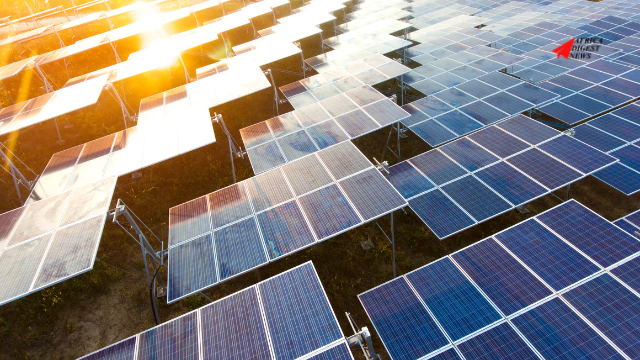
South Africa’s rooftop solar boom is entering a new phase. Homeowners connected to the grid now face a regulatory deadline that could determine whether their systems remain compliant or become a costly liability. Eskom has warned that its waiver on registration fees for Small-Scale Embedded Generation (SSEG) systems will end on 30 September 2026. After that date, owners of unregistered grid-connected solar systems could face fines, disconnection from the grid, or retrospective charges. The utility says all qualifying systems must be registered with either Eskom or the relevant municipality, regardless of whether they export electricity back to the grid.
The requirement stems from South Africa’s Electricity Regulation Act, which requires grid-connected embedded generation systems to comply with technical standards designed to protect the stability and safety of the electricity network. That means homeowners need more than just solar panels and an inverter. They also need the appropriate documentation, including a valid Certificate of Compliance (CoC), and in many cases must meet additional network connection requirements. For some households, compliance could also mean moving from prepaid electricity to a postpaid tariff structure. While this allows utilities to manage embedded generation more effectively, it also introduces fixed monthly charges that could lengthen the financial payback period for rooftop solar installations.
The financial consequences of delaying registration may extend beyond utility penalties. Industry reports indicate that non-compliant systems could face administrative costs running into thousands of rand, while insurers and body corporates are increasingly requiring proof of SSEG registration, electrical compliance certificates and supporting documentation before honouring claims involving solar installations.
As rooftop solar adoption accelerates, regulators are moving from encouraging installations to ensuring they operate safely within the national grid. The focus is on making sure every connected system meets common technical standards. Owning rooftop solar now comes with ongoing compliance responsibilities. Registering before the September deadline could avoid additional fees while ensuring systems remain legally connected and fully insurable.