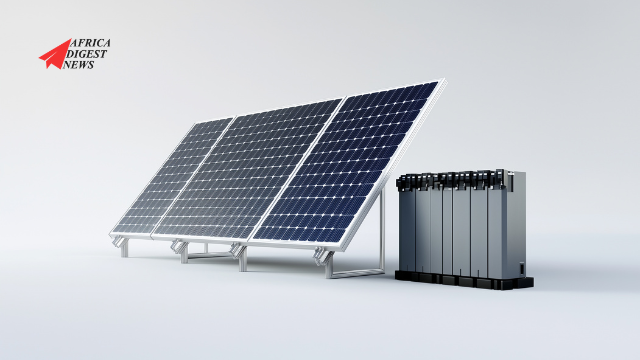
Malawi’s first utility-scale battery energy storage system is only rated at 20 MW / 40 MWh, yet it is expected to unlock around 100 MW of additional renewable energy across the national grid. At first glance, the numbers appear contradictory. How can a 20 MW battery enable five times more renewable capacity? The answer lies in what battery storage actually does. A battery does not generate electricity. Instead, it gives the grid flexibility to manage renewable energy more efficiently.
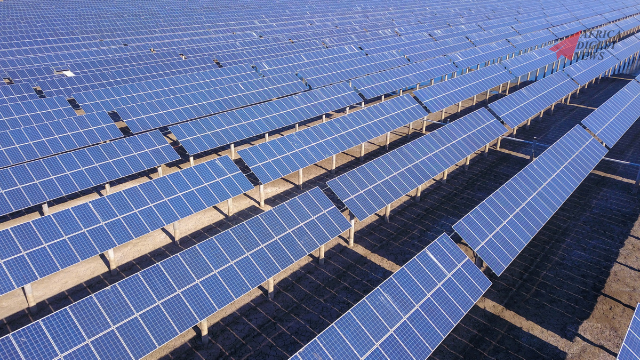
Solar power plants typically produce their highest output around midday, when electricity demand is often lower. Without somewhere to store that excess energy, grid operators are forced to reduce or curtail, solar generation to keep the network stable. The Kanengo Battery Energy Storage System changes that equation.
Instead of allowing excess renewable electricity to go unused, the battery stores surplus energy during periods of high solar generation and releases it later when demand increases, particularly during the evening peak. Its role extends beyond shifting energy through the day.
The battery also provides fast-response grid services, including voltage regulation, frequency support and short-term balancing. These services reduce fluctuations on the network and make it possible for the grid to accommodate significantly more variable renewable generation than it otherwise could. In effect, the battery acts as a shock absorber for Malawi’s electricity system. While the battery itself can only discharge 20 MW at any one time, its stabilising effect allows approximately 100 MW of renewable generation to operate without being constrained by grid limitations.
Read Also: South Africa’s Home Batteries Are Becoming a Virtual Power Plant
That flexibility delivers benefits across the electricity system. It reduces reliance on expensive diesel generation during peak periods, improves utilisation of existing renewable assets, and gives investors greater confidence that future solar and wind projects will be able to deliver their electricity to consumers instead of being curtailed. For countries with relatively small electricity systems, storage is becoming less about adding generation capacity and more about making better use of the renewable energy that already exists.
Malawi’s Kanengo project demonstrates that even a modest battery installation can have an outsized impact. By solving some of the grid’s biggest operational challenges, the project enables far more renewable energy than its own capacity would suggest, highlighting the growing role of storage in Africa’s clean energy transition.