Sasol is exploring whether its Sasolburg operations in South Africa can become a platform for producing green hydrogen and converting it into lower-carbon fuels and chemicals. The company has appointed Envision Energy to conduct a design study for an integrated system combining renewable power, battery storage and electrolysers, with the work focused on determining the technical and commercial case for potential investment.
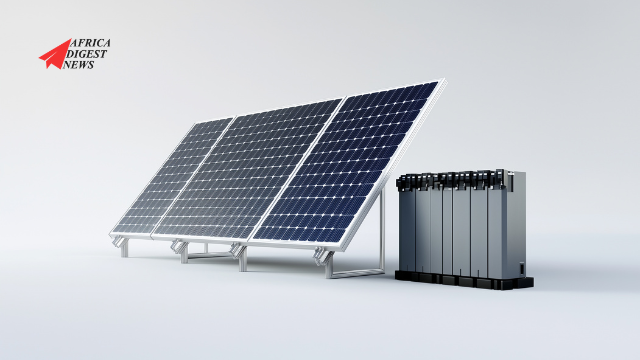
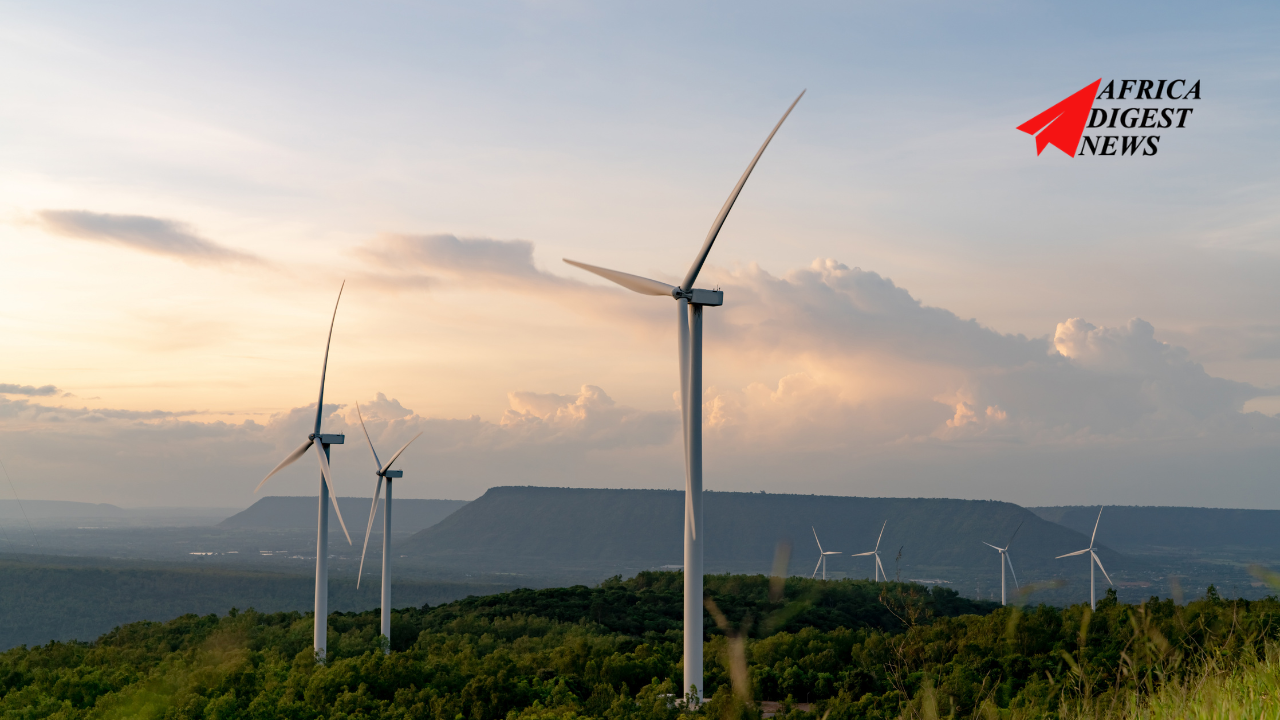
The proposed system would bring several technologies together rather than treating hydrogen production as a standalone project. Solar and wind generation would provide electricity, batteries would help manage the variability of renewable power, and electrolysers would use that electricity to produce hydrogen. Envision will also apply its experience in energy management and AI-based optimisation to assess how the system could maximise hydrogen production under different energy and market conditions.
The hydrogen could then become an input for products with potential export markets, including e-methanol and sustainable aviation fuel. Sasol has indicated that the existing industrial infrastructure around Sasolburg could provide a foundation for developing these products, including access to established skills, facilities and downstream capabilities. The potential connection to European markets also gives the project a commercial dimension beyond South Africa’s domestic fuel market.
For Sasol, the study is part of a broader attempt to use its existing industrial base in its energy transition rather than simply replace it. The company is assessing whether renewable electricity and green hydrogen can be integrated into an industrial system capable of producing lower-carbon fuels and chemicals at competitive costs. The collaboration was also highlighted during a South Africa–China electricity and energy investment mission, signalling broader government interest in the technology and investment partnership.
Read Also: Why Egypt Is Linking Its Wind Boom to a Turbine Manufacturing Industry
The immediate milestone, however, is still a design study rather than a final investment decision. Envision is expected to complete the work later in 2026, after which Sasol will have a clearer view of the system’s technical requirements, economics and potential products. The significance of Sasolburg will ultimately depend on whether that work can turn green hydrogen from an energy-transition concept into commercially viable fuels and chemicals.