Across much of Africa, extending mobile coverage into remote areas depends less on spectrum availability and more on electricity access. Telecom towers require stable power. Where grid infrastructure is weak or absent, operators have relied on diesel generators to maintain service continuity. That approach keeps networks running but increases operating costs and slows rollout into lower-density regions.
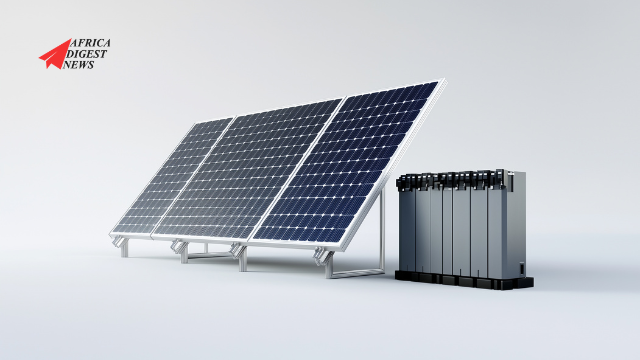
Renewable energy is beginning to change that equation. Solar panels combined with battery storage are allowing operators to deploy towers in locations that previously required continuous fuel delivery. This reduces exposure to logistics disruptions while improving long-term site stability.
Running a rural tower can cost up to 40 percent more than operating one in urban areas. Fuel transport, generator servicing, and maintenance account for most of that difference. Diesel-powered towers can consume tens of thousands of litres annually. When electricity becomes uncertain, connectivity follows the same pattern.
Renewable hybrid systems reduce that risk. In pilot deployments across Kenya, site-level emissions have already dropped significantly after operators reduced generator dependence.
Telecom companies are now incorporating renewable systems directly into infrastructure planning rather than treating them as temporary support solutions. Operators including Vodacom, Safaricom, and Airtel Africa are expanding solar-supported tower deployments across parts of their network footprints.
Energy availability determines whether coverage can exist in the first place. Solar-powered towers are already supporting expansion across sections of the Sahel and Central Africa, where extending national grids across long distances remains expensive and slow.
In these environments, renewable-powered telecom infrastructure allows operators to reach communities earlier than traditional rollout models would allow. Earlier connectivity changes how services reach those communities.
Farmers access market prices. Clinics communicate with referral hospitals. Schools connect to digital learning platforms.Telecom towers are often the first permanent infrastructure installed in remote regions.
When those towers operate on renewable power, they influence what infrastructure follows next. Electricity supports connectivity. Connectivity supports participation in the wider economy. Across several frontier regions, renewable-powered telecom infrastructure is expanding faster than grid extension projects.
By Thuita Gatero, Managing Editor, Africa Digest News. He specializes in conversations around data centers, AI, cloud infrastructure, and energy.