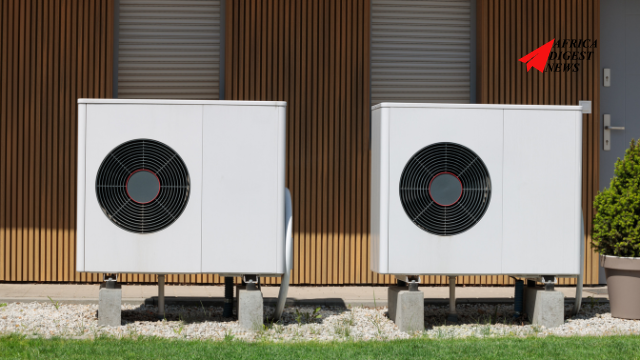
The global housing market is undergoing a transformation, driven by energy efficiency and renewable energy integration. Across North America, Europe, and parts of Asia, builders are increasingly turning to plug-in solar systems paired with electric heat pumps as a practical way to cut emissions, lower energy bills, and meet stringent climate-related building standards. This shift signals a broader trend: modern homes are no longer just shelter, they are small-scale power generators and critical nodes in a cleaner, more resilient energy ecosystem.
Traditional solar installations often require roof reinforcement, complex wiring, permits, and specialized labor, creating a high barrier to adoption. Plug-in solar solutions address these challenges by allowing homeowners to connect photovoltaic panels directly to standard household electrical circuits.
These compact systems, typically comprising small solar panels, microinverters, and standard plug connections, can be installed in hours rather than weeks, making renewable energy accessible even for apartments and townhouses.
This simplicity not only reduces upfront costs but also encourages incremental adoption. Homeowners can start with a small system and expand over time, gradually increasing their energy independence while participating in the green energy transition. For large housing developments, this fast deployment enables builders to meet green certification requirements without the logistical complications of full-scale rooftop solar projects.
Heat Pumps: Electrifying Heating and Cooling
Electric heat pumps are now central to sustainable housing design. Unlike gas or oil boilers, which burn fossil fuels and produce emissions, heat pumps transfer heat efficiently, delivering up to three units of heat for every unit of electricity consumed. Paired with solar electricity, these systems enable nearly zero operational emissions while maintaining year-round heating and cooling.
Key advantages of heat pumps include:
- Lower electricity consumption compared to traditional resistance heaters
- Reduced dependence on fossil fuels and fluctuating fuel prices
- Stable, predictable operating costs over the long term
- Compatibility with distributed solar, battery storage, and smart energy management
The combination of plug-in solar and heat pumps provides tangible financial gains for homeowners and developers. Energy bills can be cut by 20–50 percent, depending on system size, climate, and household energy use. Studies indicate that energy-efficient homes command higher resale value and attract environmentally conscious buyers, creating a market advantage for developers.
Read Also: Southern Africa power crisis worsens as transmission failures block electricity trade
From an environmental perspective, electrified homes contribute significantly to carbon reduction. A typical residence powered by solar and heat pumps can prevent 2–4 tons of CO₂ emissions annually, equivalent to removing one gasoline-powered car from the road. At scale, these technologies not only reduce urban air pollution but also strengthen local energy resilience by lowering reliance on imported fuels and supporting distributed generation.
Government regulations and financial incentives are accelerating adoption. Examples include:
- Net-zero building targets in the European Union
- Tax credits, rebates, and green mortgages in North America
- Renewable energy integration mandates in parts of Asia Pacific
Policies encouraging electrification and efficiency increase investor confidence in renewable technology and smart home solutions. Builders also benefit from improved access to ESG-aligned financing and institutional capital, making sustainable construction economically attractive.
Recent advances in smart inverters, AI-driven energy management, and battery storage further enhance performance. Surplus electricity can be stored for nighttime use, while AI systems optimize energy flow based on household consumption patterns. Meanwhile, battery prices have dropped by nearly 80 percent over the last decade, improving the cost-effectiveness of combined solar and heat pump installations.
Industry forecasts predict residential solar capacity could triple by 2030, with heat pump adoption growing even faster as governments phase out fossil-fuel-based heating. Future homes will likely integrate plug-in solar, high-efficiency heat pumps, batteries, and AI-enabled energy systems into a cohesive, resilient energy ecosystem.
By Thuita Gatero, Managing Editor, Africa Digest News. He specializes in conversations around data centers, AI, cloud infrastructure, and energy.