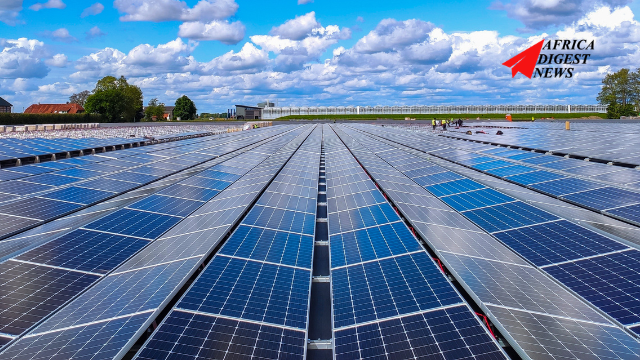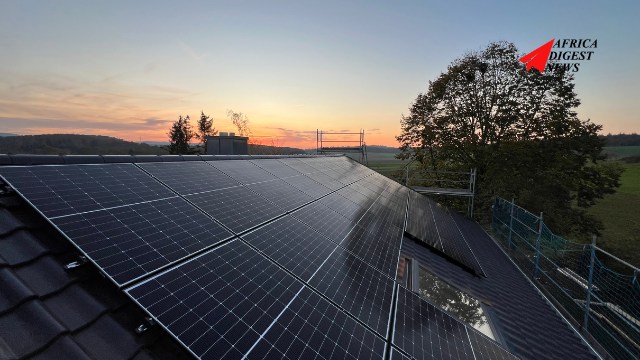
Africa’s renewable energy ambitions, particularly in solar power, could face fresh cost challenges as China begins phasing out key export incentives. The timing comes just days after Tesla, led by CEO Elon Musk, announced plans to secure $2.9 billion worth of solar manufacturing equipment from Chinese suppliers, underscoring a global surge in demand for Chinese solar technology.
For years, Chinese solar panels and batteries have dominated African markets, providing affordable and readily available solutions for projects across the continent. These imports benefited from tax rebates and export incentives, which helped keep project costs competitive despite logistical challenges. With China now ending these subsidies, effective April 1 for solar panels and next year for battery equipment, African solar developers are likely to see a gradual rise in equipment prices.
Africa’s solar sector is particularly exposed to global pricing shifts. High shipping costs, smaller order volumes, and import tariffs already make solar equipment more expensive on the continent compared to larger markets in Europe or North America. According to energy analysts, removing China’s export rebates will further increase the cost of solar panels, adding pressure to projects that are already sensitive to capital availability and financing constraints.
“The cost impact won’t be catastrophic overnight, but developers and governments should prepare for a steady increase,” says Wangari Muchiri, a renewable energy analyst focused on Africa. “Shipping and logistics fees already add significant costs, so losing the rebate is an additional challenge that could affect project viability and timelines.”
Tesla’s $2.9 billion procurement of solar manufacturing equipment from Chinese firms signals a renewed global appetite for clean energy hardware. The company aims to build large-scale solar manufacturing capacity in the United States, targeting up to 100 gigawatts of production.
This renewed demand is already influencing global supply chains, lifting share prices for major Chinese solar manufacturers and tightening availability for smaller importers.
Read Also: Southern Africa power crisis worsens as transmission failures block electricity trade
For African markets, this dynamic presents a double challenge. While global solar adoption continues to accelerate, higher demand from industrial players abroad is likely to reduce the flexibility of pricing for African buyers, particularly for smaller-scale projects and community solar initiatives.
Experts argue that African solar costs are unlikely to spike suddenly, instead rising gradually as exporters adjust to the end of subsidies. John van Zuylen, CEO of the Africa Solar Industry Association, notes: “When a structural rebate is removed, exporters often absorb part of the cost, adjust pricing, or reduce discounts. The effect for Africa will be incremental but noticeable over the next few quarters.”
This period of adjustment may also reshape how developers approach project planning and financing. Projects previously relying on ultra-low equipment costs may need to revisit budgets, explore alternative suppliers, or negotiate bulk procurement arrangements to offset rising expenses.
The shift in China’s solar policy underscores the importance of building resilient and diversified supply chains for Africa’s renewable energy transition. Governments and private developers may increasingly consider regional manufacturing, local assembly, and partnerships with emerging solar equipment producers outside of China.
Long-term, this could stimulate industrial development and job creation within Africa, aligning with broader energy security and economic objectives. However, in the short term, policymakers may need to adjust incentives, streamline permitting, and consider targeted subsidies to maintain momentum in solar adoption.
By Thuita Gatero, Managing Editor, Africa Digest News. He specializes in conversations around data centers, AI, cloud infrastructure, and energy.