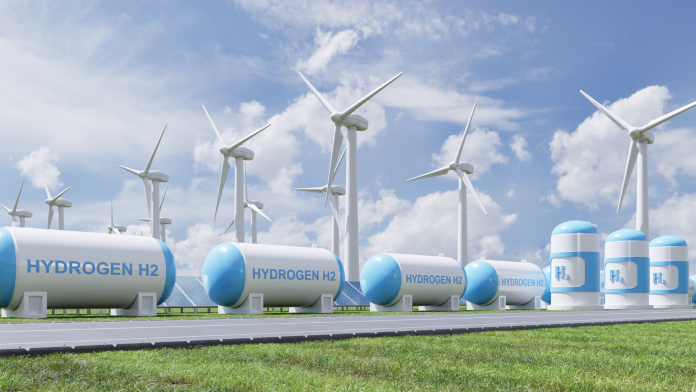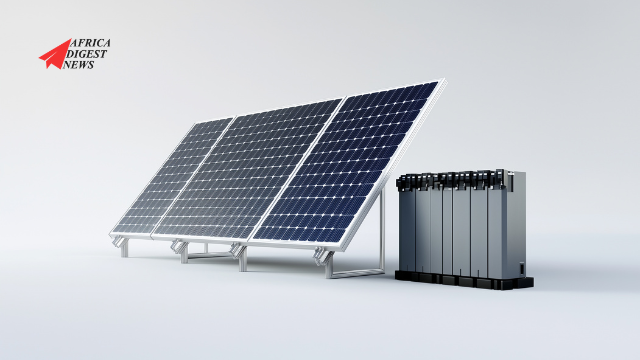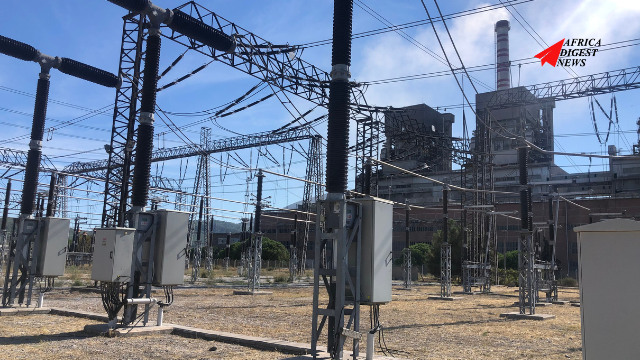
Mauritius plans to add 405 MW of new generation capacity over the next three years as part of a strategy to strengthen grid reliability while reducing dependence on imported fossil fuels.
Energy and Public Utilities Minister Patrick Gervais Assirvaden confirmed the programme will include solar plants, wind generation, battery storage systems, and agrivoltaic installations.
For an island system with limited domestic fuel resources, electricity planning remains closely tied to global energy prices.
Mauritius already has one of the highest electrification rates in Africa at roughly 91.6 percent. Access is not the primary challenge. Supply structure is. Imported fuels still dominate the national energy mix, leaving the country exposed to price shocks outside its control.
The new capacity programme therefore targets reliability as well as diversification.Among the planned projects is a floating solar installation at the Tamarind Falls reservoir being developed with National Thermal Power Corporation, alongside additional wind farm expansion and hybrid solar-battery facilities designed to stabilise evening peak demand.
Battery storage will play a central role in managing variability as renewable capacity increases. The government also plans to distribute 100,000 household solar kits with support from India, while expanding agrivoltaic deployment that allows agricultural production and electricity generation to share land use.
Read Also: Zambia’s Mini-Grid Strategy Is Moving Beyond Connections Toward Productive Energy Use
Three privately developed hybrid projects are expected to enter service beginning later this year. These additions build on earlier announcements targeting 277.5 MW of renewable capacity growth.
Together, the programmes support Mauritius’s objective of increasing the renewable share of its electricity mix to 60 percent by 2035 while reducing emissions by 40 percent.
Island systems face different planning constraints from continental grids.Fuel imports influence electricity pricing more directly, and reserve margins must remain higher because interconnection with neighbouring systems is limited.
Diversifying generation sources therefore strengthens both reliability and fiscal stability. Mauritius is not expanding electricity access.
It is restructuring electricity exposure.For small island economies, that distinction determines how vulnerable power systems remain during periods of global energy price volatility.
By Thuita Gatero, Managing Editor, Africa Digest News. He specializes in conversations around data centers, AI, cloud infrastructure, and energy.