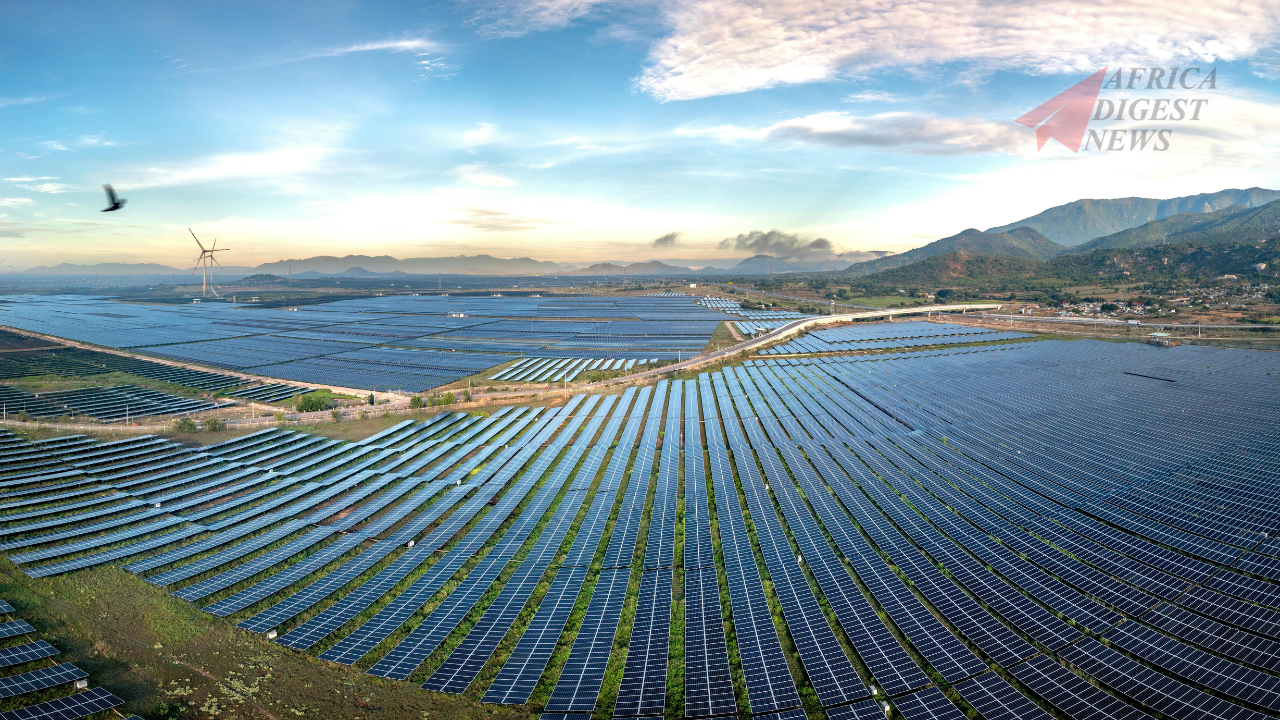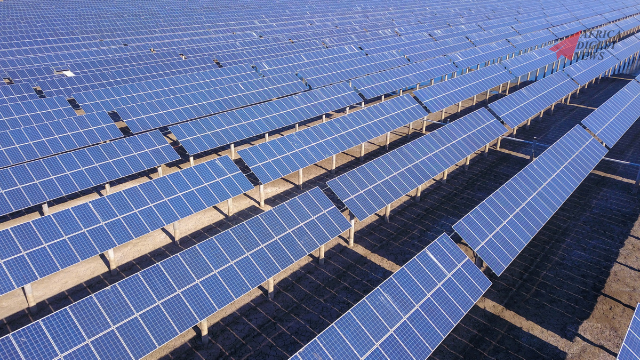
Eritrea is taking a significant step toward expanding electricity access in its southwestern regions with the launch of a 34-megawatt (MW) solar mini-grid project in the Gash Barka region. The initiative, backed by the African Development Bank (AfDB), aims to deliver reliable power to local communities, support economic development, and improve essential services such as irrigation and water supply.
On February 18, 2026, the AfDB approved $58 million in financing for the project. This includes $37.3 million from the African Development Fund and $20.7 million from the Transition Support Facility. The funding covers the construction of the solar plant, as well as the extension and upgrading of 542 kilometers of distribution lines to reach surrounding towns, including Tesseney, Kerkebet, and Barentu.
The project is expected to benefit approximately 306,000 people, a substantial portion of the population in the Gash Barka region, where access to reliable electricity has long been limited. According to World Bank data, only 54.4% of Eritreans had electricity in 2023, compared to a global average of about 91%, highlighting the pressing need for such infrastructure.
Reliable power enables critical services and supports local economic growth. The mini-grid will facilitate drinking water pumping, irrigation for small-scale agriculture, and energy for local businesses, contributing to both food security and income generation.
The project also introduces Eritrea to mini-grid solutions, which are smaller-scale, decentralized systems that can deliver electricity to communities that are far from national grid connections. This approach is particularly relevant in rural areas, where traditional grid expansion is often cost-prohibitive and slow.
Read Also: Casava and Rivy Launch Nigeria’s First Green Microinsurance for Solar SMEs
Eritrea’s 34-MW solar plant is part of the AfDB’s Desert to Power initiative, launched in 2018. The ambitious program targets 10 gigawatts of solar capacity across the Sahel region, aiming to provide electricity to 250 million people in 11 countries by 2030. By harnessing the region’s abundant sunlight, the initiative seeks to drive sustainable development, combat energy poverty, and strengthen regional energy security.
However, a 2023 analysis by the Energy for Growth Hub noted that achieving Desert to Power targets requires regulatory reforms, mobilization of private capital, and viable business models in participating countries. Eritrea’s project demonstrates progress on the technical and financing fronts but will need complementary policy support to maximize long-term impact.
In Eritrea’s neighborhood, similar initiatives are underway. Countries such as Nigeria, Kenya, and Ethiopia are deploying utility-scale and mini-grid solar projects to address rural electrification gaps. Eritrea’s new mini-grid places it among a growing list of African nations experimenting with decentralized renewable solutions to complement conventional grids.
The Gash Barka solar plant is expected to be a model for scaling up solar energy in Eritrea, showing how relatively small investments in distributed generation can unlock broader socioeconomic benefits.
As solar adoption grows across the Sahel, Eritrea’s 34-MW project could become a blueprint for neighboring countries seeking to deliver affordable, reliable, and clean electricity to underserved communities.
By Thuita Gatero, Managing Editor, Africa Digest News. He specializes in conversations around data centers, AI, cloud infrastructure, and energy.