The European Investment Bank (EIB) signed €9 billion in financing for projects outside the European Union in 2025, with climate action and environmental sustainability accounting for 57% of the total. The funding supports projects across multiple regions, including Africa, through investments in renewable energy, electricity networks, water infrastructure, transport and other development priorities. The figure represents financing signed globally outside the EU, rather than funding allocated exclusively to Africa, but it illustrates the growing role of development finance in connecting climate objectives with infrastructure investment.
In Africa, the EIB’s approach includes projects designed to expand electricity access and strengthen the infrastructure needed to integrate new generation capacity. These range from renewable energy developments and rural electrification schemes to regional transmission networks intended to move electricity across borders. The distinction matters because expanding generation alone does not guarantee reliable supply: power systems also need transmission lines, distribution networks and financing structures that allow electricity to reach households and businesses. Development lenders can help address these gaps where project costs, risks or long repayment periods make commercial financing difficult to secure.
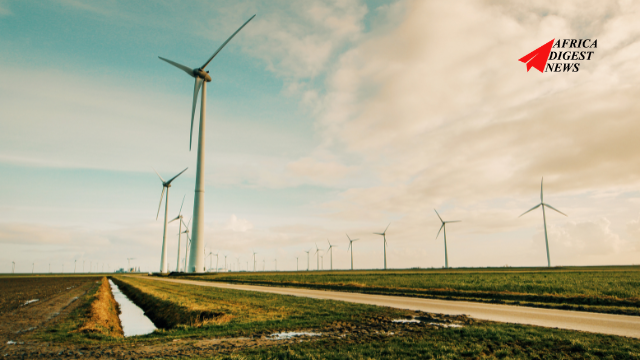
Several projects illustrate the range of this investment. In Cabo Verde, EIB-backed financing has supported the development of renewable electricity, including wind power, while Madagascar has pursued minigrid solutions to extend access to communities beyond established electricity networks. The Mauritania Regional Transmission Corridor is another example of investment in electricity infrastructure, aimed at strengthening the network needed to transport power. Such projects address different parts of the energy system, from generation to last-mile access, and their development benefits depend on implementation, affordability and the reliability of the electricity delivered.
The bank’s financing also supports broader infrastructure and local financial institutions, which can influence how capital reaches businesses and communities. In Cameroon, EIB-backed rural electrification efforts have improved access for more than 1.6 million people, according to the bank’s reporting. Beyond direct energy projects, financing for transport, water and healthcare can contribute to climate resilience and sustainable development. However, the impact of these commitments depends on whether projects are completed on schedule, whether infrastructure remains affordable to users and whether local institutions have the capacity to operate and maintain it over time.
Read Also: Africa Has 58,000 GW of Wind Potential. It Has Installed Just 11.1 GW
The €9 billion programme therefore shows how climate finance is being integrated into a wider development agenda, but the headline figure alone does not measure the results achieved in Africa. The more meaningful indicators are the projects completed, the renewable electricity generated, the people and businesses connected, and the infrastructure made more resilient to climate risks. For African countries, the challenge is to turn development financing into durable assets that expand access, support economic activity and reduce emissions without leaving essential services unaffordable. The EIB’s reported commitments provide one source of capital for that effort, while the outcomes will depend on how individual projects are structured and delivered.