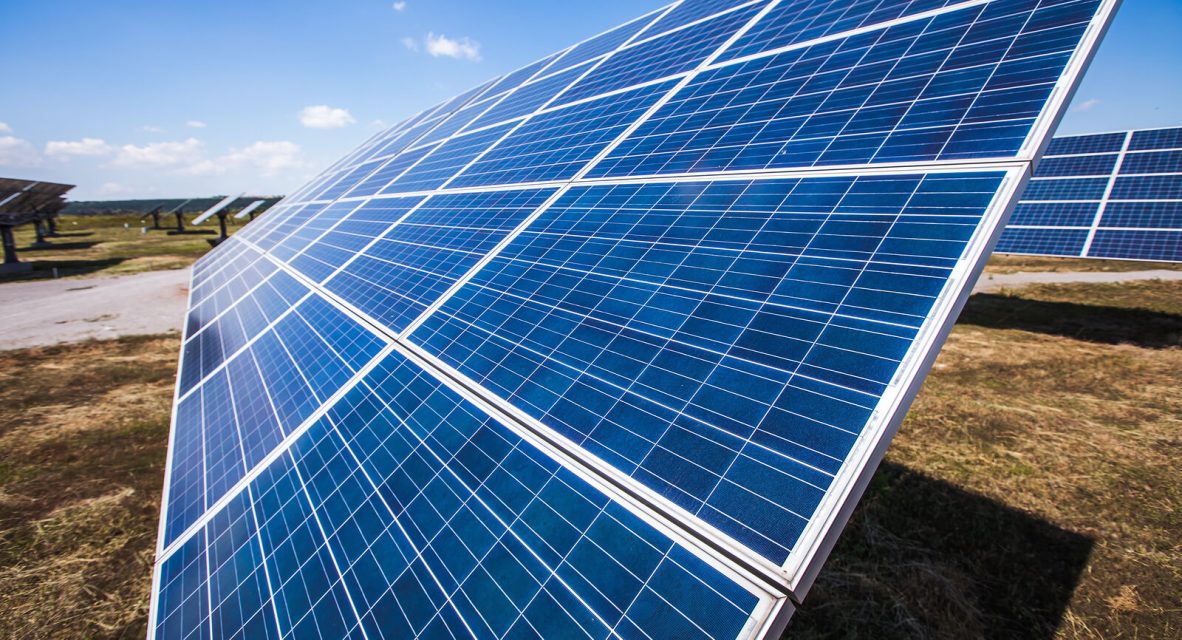
The World Bank has approved a $200 million financing package to support the first phase of the Regional Program for Distributed Access through Renewable Energy Solutions (Regional DARES), a multi-country initiative designed to expand electricity access across Benin, the Central African Republic, Liberia and Sierra Leone.
The funding forms part of a larger $853 million regional programme that seeks to address one of Africa’s most persistent development challenges: energy poverty.
While large-scale grid expansion remains the preferred long-term solution in many countries, the economics of reaching remote communities continue to favour distributed renewable energy systems such as solar home systems and mini-grids.
The initiative aligns with the World Bank and African Development Bank’s Mission 300 programme, which aims to connect 300 million Africans to electricity by 2030. (World Bank)
Why Energy Access Matters
According to international development estimates, hundreds of millions of Africans still live without reliable electricity, limiting economic growth, education outcomes and healthcare delivery. Distributed renewable energy has increasingly emerged as one of the fastest and most cost-effective solutions for rural electrification. (World Bank)
Expected Impact of Regional DARES
| Area | Expected Outcome |
| Households | Expanded access to affordable electricity |
| Healthcare | Improved power reliability for clinics |
| Education | Better learning environments |
| Agriculture | Increased processing and storage capacity |
| SMEs | Enhanced productivity and operating hours |
| Employment | Growth across installation and maintenance sectors |
A Shift Toward Regional Energy Markets
One of the most significant aspects of Regional DARES is its regional procurement model.
Instead of individual countries purchasing renewable energy solutions separately, participating nations will aggregate demand to create a larger market capable of attracting private investment and reducing costs through economies of scale.
This mirrors broader efforts across Africa to integrate energy markets and improve cross-border electricity trade. (World Bank)
Renewable Energy Is Becoming Africa’s Growth Engine
Recent industry discussions increasingly point to solar energy becoming one of Africa’s fastest-growing infrastructure sectors.
According to industry analyses, solar projects now account for a substantial share of newly announced energy investments across the continent. (Reddit)
Why Investors Are Paying Attention
| Driver | Impact |
| Falling Solar Costs | Lower project economics |
| Growing Demand | Rising electricity consumption |
| Development Finance Support | Reduced project risk |
| Climate Commitments | Increased green investment |
| Regional Integration | Larger addressable markets |
The real significance of Regional DARES is not the $200 million figure itself. It is the attempt to create a scalable regional market for distributed energy. If successful, the model could become a blueprint for other African regions struggling with electrification challenges.
The future of African energy may not be built solely through massive national grids. Increasingly, it may be built through thousands of interconnected solar systems powering communities previously considered too expensive to serve.