Kigali will host the 6th Renewable Energy for Sustainable Growth (RE4SG) Summit from 8–10 September 2026, bringing together policymakers, investors, utilities, developers, financiers and technology providers to discuss the future of Africa’s energy sector. The summit comes at a time when the continent is moving beyond setting renewable energy targets to addressing a more practical challenge—how to finance, structure and deliver projects at scale. That is where the conversation is changing.
Africa does not lack renewable energy resources or ambitious policy commitments. What it needs are more bankable projects, stronger public-private partnerships and regulatory frameworks that give investors confidence to deploy long-term capital. The theme of this year’s summit—“Accelerating Africa’s Energy Transition: Innovation, Inclusion and Scalable Sustainable Solutions”—reflects those priorities.
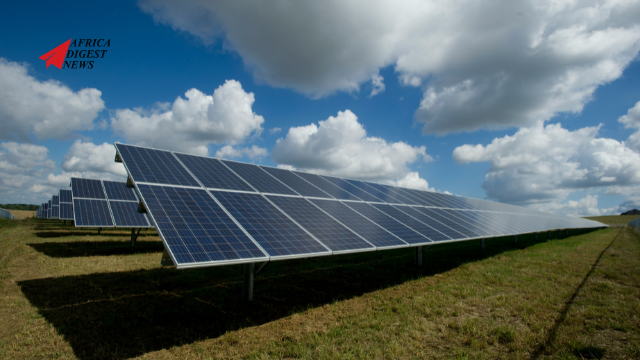
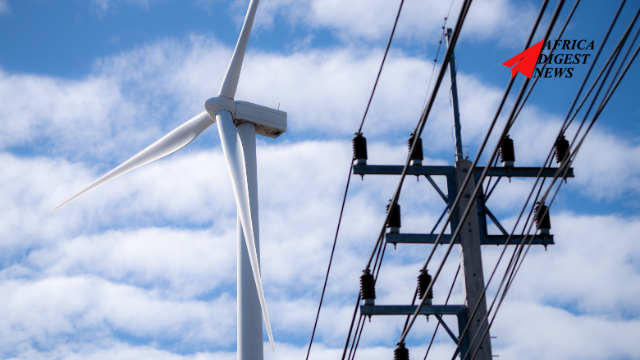
Discussions are expected to focus on technologies that can be deployed today, including utility-scale solar, wind power, battery energy storage, mini-grids and grid modernization, alongside the financial and policy mechanisms needed to support their expansion. For investors and project developers, the value of RE4SG extends beyond conference sessions. Events like these provide opportunities to build partnerships, engage policymakers, understand emerging markets and identify projects moving toward financial close.
Read Also: Grid Gap in Focus as Southern African Utility Leaders Join AEW Power Africa Today
They also create a platform for governments to demonstrate investment readiness and showcase reforms designed to attract private capital into the energy sector. Rwanda’s role as host is equally significant.
Over the past decade, Kigali has established itself as a regional hub for high-level discussions on infrastructure, technology and sustainable development. Hosting RE4SG reinforces the country’s position as a convening centre for conversations that shape Africa’s energy investment landscape. Ultimately, Africa’s energy transition will depend on the quality of projects prepared, the capital mobilised, the partnerships formed and the infrastructure delivered after the summit ends.