South Africa’s energy sector stands at a critical crossroads, characterized by a complex interplay of rising electricity costs, municipal financial distress, and a burgeoning renewable energy landscape.
Across various recent developments, a clear narrative emerges: the nation is grappling with the dual challenge of ensuring stable power supply and fostering a sustainable energy future, often with significant implications for its citizens and economic stability.
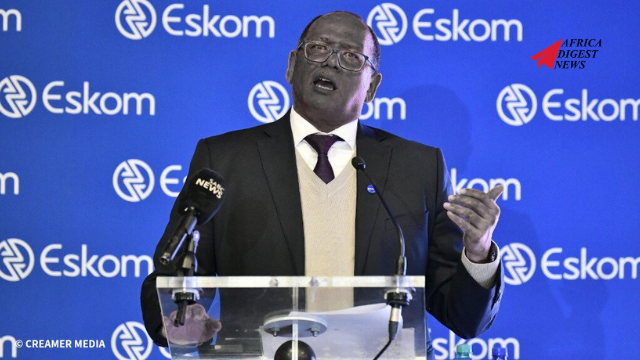
One overarching theme is the relentless electricity cost pressure faced by South African households. Despite efforts to manage consumption, the approval of Eskom’s tariffs for 2026/27, particularly the substantial increase in fixed charges for residential tariffs, signals a future where ordinary households will bear a disproportionate burden.
This shift in revenue recovery, moving from per-unit energy to fixed fees, means that even low-to-moderate consumption households, including those with rooftop solar, find their ability to save on electricity bills increasingly curtailed. The ethos here is one of Eskom seeking revenue stability, but at the cost of exacerbating financial strain on consumers, who are forced to pay more regardless of their usage habits.
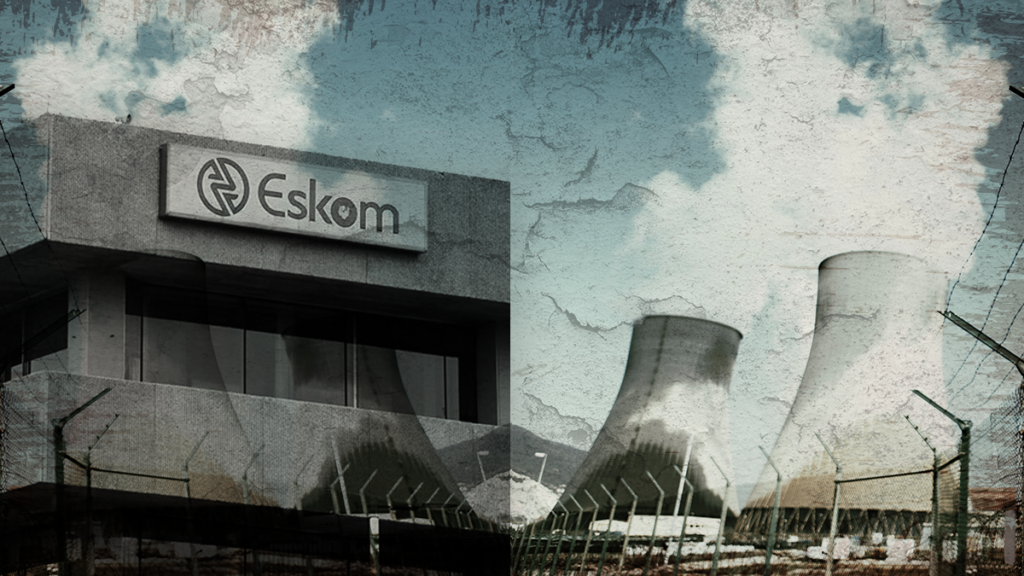
Compounding this is the pervasive issue of municipal financial stress. Eskom’s aggressive stance on credit control, including the threat of disconnections and the implementation of Distribution Agency Agreements (DAAs), highlights the dire state of municipal finances.
With over R110 billion in arrears, Eskom is compelled to enforce payments to stabilize its own revenue. While necessary for the utility’s survival, these measures often lead to tensions with local governments and raise concerns about service delivery and consumer impact. The ethos reveals a utility determined to regain control and financial stability, even if it means challenging traditional municipal roles in electricity distribution.
Read Also: How to Estimate Your Monthly Electricity Needs in Kenya
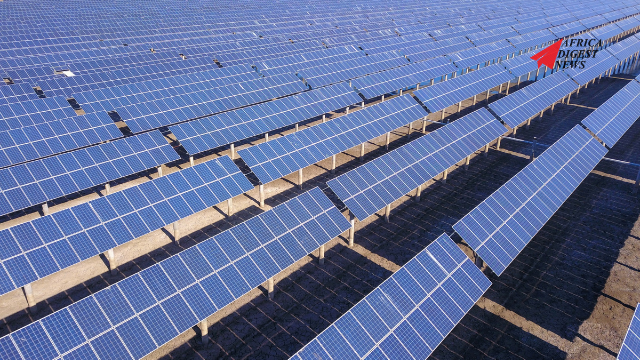
Amidst these challenges, a beacon of hope shines through in the form of renewable investment growth. Both private and international actors are increasingly driving solar PV expansion, offering a tangible solution to South Africa’s persistent electricity shortages. Projects like Lyra Energy’s Thakadu Solar Project, a 255 MW facility backed by significant private investment and corporate PPAs, exemplify the domestic commitment to clean energy.
Simultaneously, international collaboration, as seen with the Chinese-developed Mooi Solar PV Project (240 MW), underscores a global partnership in addressing South Africa’s energy needs and climate goals. These initiatives are not merely about generating power; they represent a strategic pivot towards energy independence and environmental stewardship.
In essence, South Africa’s energy narrative is a dynamic one, characterized by the push and pull between economic realities and environmental aspirations. The rising fixed costs and municipal debt paint a picture of ongoing struggle, while the robust growth in renewable energy projects offers a promising path forward.
The collective ethos across these developments points to a nation actively seeking solutions, albeit with complex trade-offs, to secure a brighter, more sustainable energy future.
By Thuita Gatero, Managing Editor, Africa Digest News. He specializes in conversations around data centers, AI, cloud infrastructure, and energy.