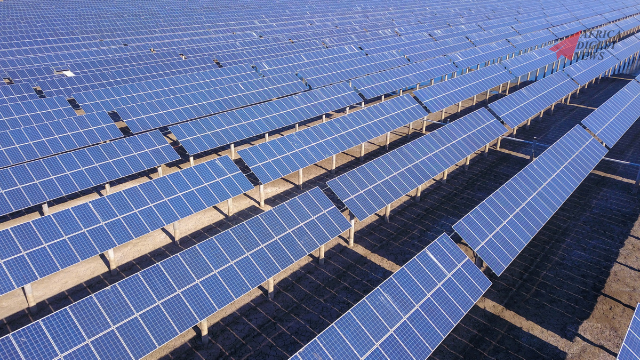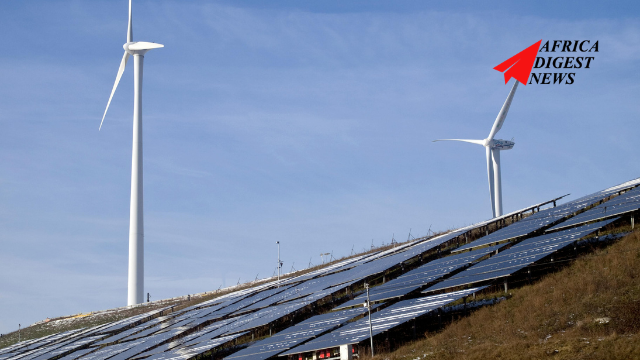
As of April 2026, Kenya stands at a pivotal juncture in its journey toward a fully green energy economy. With the National Energy Policy 2025–2034 now in its second year of implementation, the government has intensified its efforts to transition from a fossil-fuel-dependent backup system to a resilient, renewable-first grid.
Currently, renewable sources, primarily geothermal, wind, and solar account for over 92% of Kenya’s electricity generation, a testament to the country’s aggressive pursuit of its 2030 targets.
The Regulatory Pivot: EPRA’s New Guidelines
In early 2026, the Energy and Petroleum Regulatory Authority (EPRA) made a significant move by revoking several long-standing guidelines governing investment returns and tariff-setting.
This regulatory “reset” was designed to attract more competitive private capital into the transmission and storage sectors. By moving away from fixed-return models to more performance-based incentives, EPRA aims to lower the overall cost of power while ensuring that the grid can handle the intermittency of wind and solar.
Tariffs and the Cost of Transition
Despite the high percentage of renewables, Kenyan consumers in April 2026 continue to navigate a complex tariff structure. EPRA recently approved an inflation adjustment of 46 cents per kWh, applicable for the first half of 2026.
This adjustment, combined with the monthly Forex Fluctuation Adjustment, highlights the ongoing challenge of balancing the high capital expenditure required for geothermal expansion with the need for affordable end-user prices.
The government’s strategy is to mitigate these costs by phasing out expensive thermal Power Purchase Agreements (PPAs) as more geothermal and battery storage capacity comes online.
Read Also: Trinasolar Showcases Cutting-Edge Solar Solutions at Solar & Storage Live Africa
Focus on Energy Storage and Grid Stability
A key pillar of the 2026 regulatory agenda is the formalization of the Battery Energy Storage Systems (BESS) Framework. Recognizing that a 100% renewable grid is impossible without massive storage capacity, the Ministry of Energy has introduced licensing regulations specifically for independent storage providers.
This allows private companies to build and operate large-scale batteries that provide ancillary services to the national grid, such as frequency regulation and peak shaving.
|
Key Metric (April 2026) |
Status/Target |
|
Renewable Energy Share |
~92% |
|
2030 Target |
100% Renewable Generation |
|
Inflation Adjustment |
46 cents per kWh (Jan-June 2026) |
|
Primary Regulatory Focus |
BESS Framework & Transmission Liberalization |
Kenya’s regulatory environment in 2026 is no longer just about adding “green” megawatts; it is about building a sophisticated, market-driven ecosystem that can sustain a 100% clean energy future.
By Thuita Gatero, Managing Editor, Africa Digest News. He specializes in conversations around data centers, AI, cloud infrastructure, and energy.