Europe’s latest energy strategy stretches far beyond its borders. The European Commission has announced a €5 billion initiative aimed at accelerating renewable energy projects across North Africa and the Middle East, with a long-term goal of exporting electricity back into Europe.
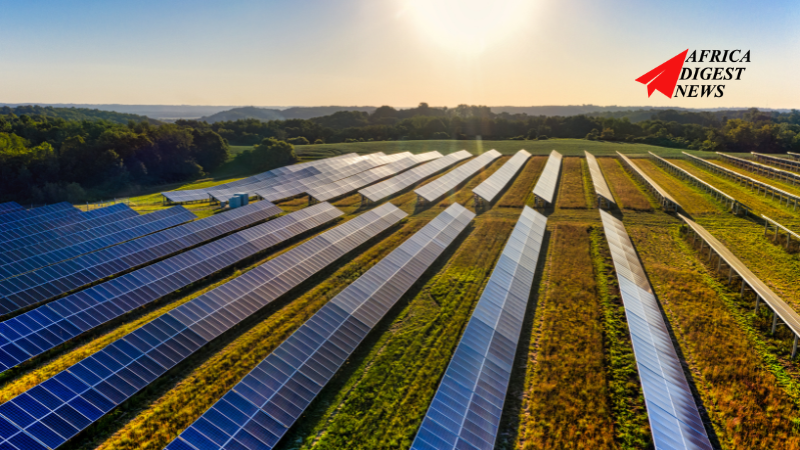
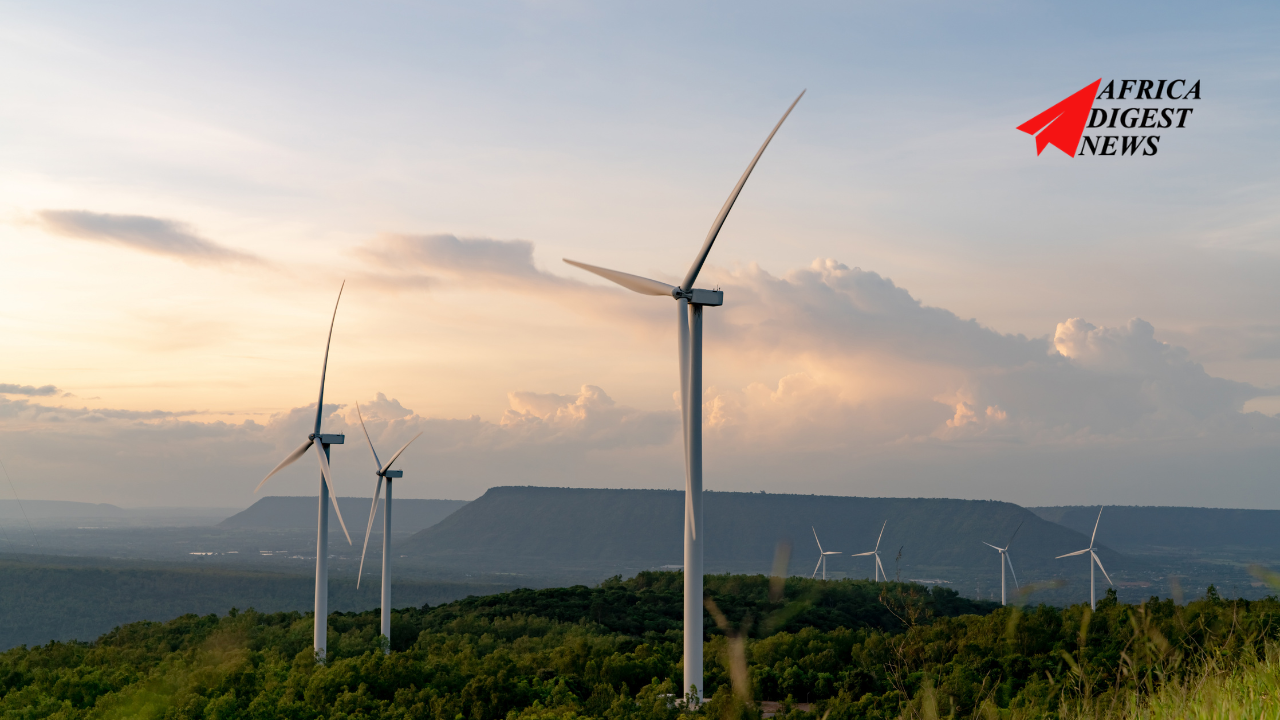
The proposal, known as T-MED, is built around a simple observation. Some of the world’s best solar and wind resources sit just across the Mediterranean. European officials estimate the region holds around 2,300GW of renewable energy potential, more than twice Europe’s current installed electricity generation capacity. Solar and wind power can often be produced at significantly lower cost than in Europe itself.
The plan is ambitious. Electricity generated from solar farms in the Sahara and wind projects across North Africa would be transported through high-voltage subsea transmission lines into European electricity networks. The initiative comes as Europe faces renewed concerns over energy security. The continent remains sensitive to disruptions in global fuel markets, and policymakers increasingly view renewable electricity as a way to reduce exposure to geopolitical shocks.
Brussels hopes the initial €5 billion commitment will attract private capital and mobilise as much as €25 billion in investment by 2035. Yet history suggests caution. The concept is not new. More than a decade ago, the Desertec initiative promised a similar vision of North African solar power supplying Europe. That project ultimately collapsed under the weight of political uncertainty, financing challenges and infrastructure costs.
Read Also: Angola’s Solar Expansion Is About More Than Electricity
This time, European officials argue the market conditions are different. Renewable technology is cheaper, demand for clean electricity is growing and cross-border energy cooperation has become a strategic priority.
For Africa, the opportunity extends beyond electricity exports. New renewable projects could create jobs, attract industrial investment and strengthen domestic energy systems. The risk, however, is that Africa once again becomes primarily a supplier of raw resources—except this time the resource is sunshine. The success of the initiative will depend on whether African countries secure meaningful industrial and economic benefits alongside energy exports.
By Thuita Gatero, Managing Editor, Africa Digest News.