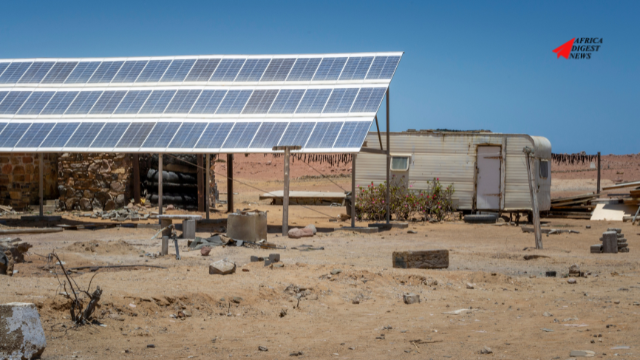
Imagine living without electricity bills, power outages, or dependence on Kenya Power. That is the promise of an off-grid solar system.
Across Kenya, off-grid solar is no longer limited to remote villages. Homeowners, farmers, lodges, schools, and businesses are installing independent solar systems because they want reliable electricity regardless of what happens on the national grid.
Unlike on-grid systems, an off-grid installation generates, stores, and supplies all the electricity a property needs. It operates as a self-contained power station, making battery storage an essential part of the system.
The cost of an off-grid solar system in Kenya ranges from KSh 150,000 for a small residential setup to more than KSh 2 million for large homes and commercial properties. The final price depends on energy consumption, battery capacity, inverter size, and installation complexity.
Quick Price Guide
| System Size | Suitable For | Estimated Cost (KSh) |
| 1–2kW | Small home or cottage | 150,000 – 300,000 |
| 3–5kW | Average family home | 350,000 – 700,000 |
| 5–10kW | Large home or small business | 700,000 – 1,500,000 |
| 10kW+ | Commercial property or farm | 1.5M – 3M+ |
These estimates generally include solar panels, batteries, hybrid inverter, mounting structures, electrical protection equipment, wiring, installation, and system commissioning.
What Is an Off-Grid Solar System?
An off-grid system operates independently of Kenya Power.
Instead of drawing electricity from the grid, it relies on four primary components:
- Solar panels to generate electricity
- Batteries to store energy
- Hybrid or off-grid inverter to convert power into usable electricity
- Protection equipment to ensure safe operation
Because there is no grid connection to fall back on, the system must be designed to meet your electricity needs throughout the day and night.
What Determines the Cost?
1. Battery Capacity
Batteries account for the largest share of an off-grid solar budget.
A larger battery bank allows you to:
- Run appliances overnight
- Maintain power during cloudy weather
- Reduce the risk of running out of stored energy
Lithium batteries generally cost more upfront but offer longer service life, deeper discharge capability, and lower maintenance than lead-acid alternatives.
2. Daily Electricity Consumption
Your electricity usage—not the size of your house—determines the size of the solar system.
For example:
| Daily Usage | Recommended System |
| 5–8 kWh | 2–3kW |
| 8–15 kWh | 3–5kW |
| 15–25 kWh | 5–8kW |
| 25kWh+ | 10kW+ |
A professional load assessment helps avoid installing a system that is either too small or unnecessarily expensive.
3. Appliance Types
Heavy electrical appliances require larger systems.
These include:
- Water pumps
- Boreholes
- Electric cookers
- Air conditioners
- Water heaters
- Welding machines
A home running only lighting, a television, Wi-Fi, and a refrigerator will require a much smaller investment.
Typical Cost Breakdown
| Component | Approximate Share of Budget |
| Battery Storage | 35% |
| Solar Panels | 30% |
| Inverter | 20% |
| Mounting & Wiring | 8% |
| Installation & Testing | 7% |
Battery storage remains the biggest cost because it keeps the property powered after sunset and during periods of poor weather.
Example Installation
Four-Bedroom Home
Daily electricity use:
- Lighting
- Television
- Refrigerator
- Water pump
- Washing machine
- Internet
- Laptop charging
Recommended system:
| Component | Specification |
| Solar Panels | 8 × 550W |
| Hybrid Inverter | 5kW |
| Lithium Battery | 10kWh |
| Mounting Kit | Complete |
| Protection Equipment | Included |
Estimated Cost: KSh 550,000 – KSh 750,000, depending on equipment quality and installation requirements.
Advantages of Going Off-Grid
An off-grid solar system offers more than lower electricity costs.
Key benefits include:
- Complete independence from Kenya Power
- Protection against blackouts
- Predictable long-term energy costs
- Reduced generator fuel expenses
- Reliable electricity in remote areas
- Minimal environmental impact
For farms, lodges, and rural homes where grid access is unavailable or unreliable, off-grid solar can provide dependable power without the recurring expense of diesel generators.
Common Buying Mistakes
Avoid these costly errors:
- Buying a system based only on price.
- Choosing batteries that are too small.
- Ignoring future electricity needs.
- Hiring unqualified installers.
- Purchasing low-quality inverters without warranty support.
A properly designed off-grid system should continue delivering dependable performance for many years.
Frequently Asked Questions
Can I live completely off-grid with solar?
Yes. If the system is correctly sized with adequate battery storage, it can power a home or business without relying on Kenya Power.
Is off-grid solar more expensive than on-grid solar?
Generally, yes. Battery storage significantly increases the upfront investment, often accounting for 30–40% of the total project cost.
How long do off-grid batteries last?
Modern lithium batteries typically last 10 to 15 years, depending on usage, charging cycles, and maintenance.
Is off-grid solar suitable for businesses?
Yes. Farms, lodges, schools, clinics, telecommunications sites, and remote commercial facilities commonly use off-grid systems to ensure uninterrupted power.
An off-grid solar system is designed for one purpose: energy independence. It removes dependence on the national grid and gives you full control over your electricity supply.
The right investment starts with understanding how much energy you consume, selecting quality components, and working with experienced installers who size the system correctly. A well-designed off-grid installation delivers dependable electricity every day while reducing long-term operating costs.


