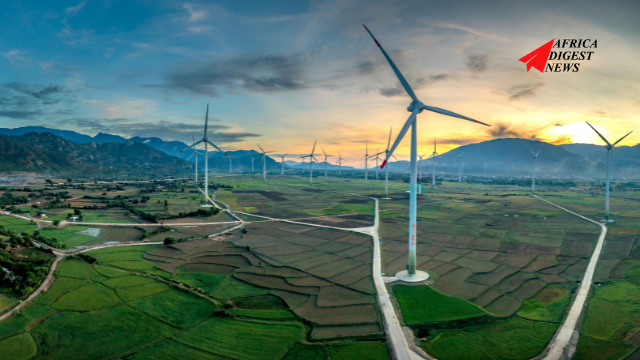
Renewable energy is expanding across Africa but the continent is not on track to hit 50 percent renewable electricity by 2035. Capacity numbers tell one story, but actual output tells another. Even as solar, wind, and hydro plants come online, fossil fuels continue to grow alongside them, filling gaps in supply and supporting unstable grids.
A central problem is grid weakness. Many new renewable projects cannot operate at full capacity because transmission lines are insufficient or unreliable. Storage is another major bottleneck: Africa accounts for only 2 percent of global energy storage capacity, leaving intermittent sources like solar and wind vulnerable to underproduction during peak demand or at night.
Financing remains uneven. Early-stage projects struggle to attract capital, while larger developments rely on foreign investment that often prioritizes visibility over local energy needs. Hydrogen, electric vehicles, and carbon capture technologies are still in pilot phases, contributing minimally to the overall energy mix.
The implications are significant. Countries may expand installed renewable capacity, but without replacement of fossil fuels, carbon emissions remain high. Electricity costs may not decrease, and reliance on diesel and coal persists in both industry and residential sectors.
Read Also: Electrification alone is not solving West Africa’s energy problem
Investors and policymakers should note the hidden gap between capacity and delivery. For example, a country may have 46 percent renewable capacity, but actual electricity generation from those sources could be far lower due to grid inefficiencies or storage limitations.
The winners will be nations and companies that solve the storage, grid, and financing challenges simultaneously. Countries with policy clarity, cross-border interconnections, and early adoption of hybrid storage solutions will attract the most capital.
The story is clear: Africa’s energy transition is growing, but it is not yet replacing fossil fuels. Without stronger infrastructure, strategic investment, and operational upgrades, renewables alone will not meet climate or economic targets.
By Thuita Gatero, Managing Editor, Africa Digest News. He specializes in conversations around data centers, AI, cloud infrastructure, and energy.