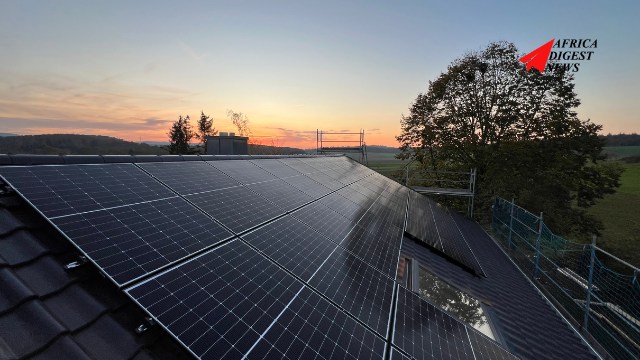
Private power purchase agreements are becoming a central mechanism for South African businesses seeking cheaper and more predictable electricity, allowing commercial and industrial users to contract directly with independent power producers (IPPs) rather than relying entirely on traditional utility supply. The model typically combines a power purchase agreement with a wheeling arrangement, allowing electricity generated at a renewable project to be delivered to an off-taker through Eskom’s or a municipal network.
At its simplest, the PPA sets the commercial relationship between the generator and customer: how much electricity is supplied, the price paid, the contract duration and how risks are allocated. Contracts can specify fixed volumes or electricity on an “as-generated” basis, while tariffs may include escalation mechanisms such as CPI adjustments. They also determine what happens when generation falls short, how curtailment is treated and who receives the renewable-energy certificates and associated environmental attributes.
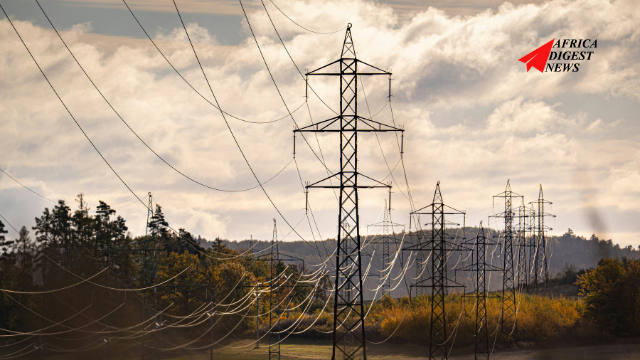
The second layer is wheeling. Because the solar or wind project is often located somewhere other than the customer’s facility, electricity must use the existing grid to reach the buyer. The wheeling agreement establishes the charges for using that network and sets out how losses, balancing, settlement, connection and curtailment are handled. The emergence of the National Transmission Company South Africa (NTCSA), alongside plans for a more competitive wholesale electricity market, is expected to further formalise third-party access and create greater opportunities for private power trading.
A significant change in 2026 is the growing role of licensed energy traders. Instead of structuring a single IPP-to-customer transaction, traders can aggregate electricity from several renewable generators and supply multiple corporate customers through a portfolio. The structure effectively creates three relationships: the IPP sells or commits power to the trader, the trader arranges access to the grid, and the trader supplies the corporate customer under a separate PPA. This can allow shorter contracts, better matching between generation and consumption profiles, and diversification of credit and volume risk.
For investors and lenders, however, the fundamental issue remains bankability. Large projects still need sufficiently long-term and predictable revenue, while financiers scrutinise the creditworthiness of the off-taker or trader, grid-access arrangements, wheeling costs, curtailment provisions, change-in-law protections and termination rights. The shift toward trader-led aggregation could therefore make private renewable procurement more flexible, but it also introduces another counterparty into the chain. As South Africa moves toward a more liberalised electricity market, the private PPA is evolving from a simple bilateral contract into a portfolio-based energy procurement model connecting generators, traders, networks and large electricity users.