South Africa’s clean energy transition is entering a new phase. For years, the conversation centred on load shedding, ageing coal plants and the urgent need for new generation. Now, President Cyril Ramaphosa argues that the country is beginning to see tangible momentum, driven by rising renewable investment, rapid rooftop solar adoption and sweeping electricity market reforms.
South Africa’s renewable sector has expanded significantly over the past decade. Installed renewable capacity now stands at roughly 17 GW, making wind and solar an increasingly important part of the country’s electricity system.
Government plans aim to increase this to 45 GW by 2035, while the draft Integrated Resource Plan (IRP 2025) envisages renewables supplying more than 40% of South Africa’s electricity by 2030. The numbers suggest that renewables are moving from a supplementary role to becoming one of the country’s primary sources of new electricity generation. One of the biggest surprises has been the speed of distributed solar adoption.
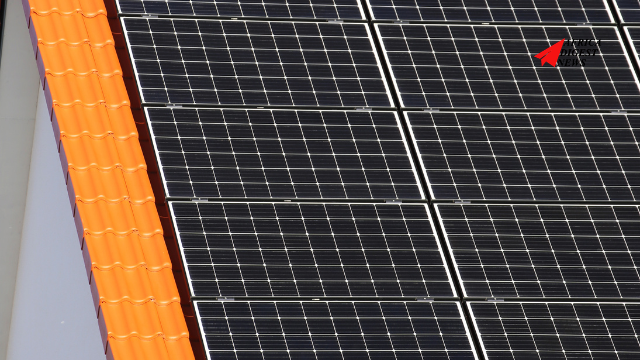
According to Ramaphosa, the number of households installing rooftop solar has increased by around 86% in recent years. Initially driven by severe load shedding, rooftop solar has continued growing even as blackouts have eased. The economics have changed. Businesses and households are increasingly installing solar because it reduces electricity costs, protects against tariff increases and provides greater energy security. This shift means distributed generation has become part of South Africa’s long-term energy landscape.
The Just Energy Transition is also attracting substantial capital. South Africa’s Just Energy Transition Investment Plan (JET-IP) has secured approximately R240–250 billion in international commitments from development finance institutions and partner governments.
Beyond public finance, private investment continues to flow into:
- Utility-scale wind farms.
- Solar parks.
- Battery storage projects.
- Transmission infrastructure.
- Local manufacturing opportunities.
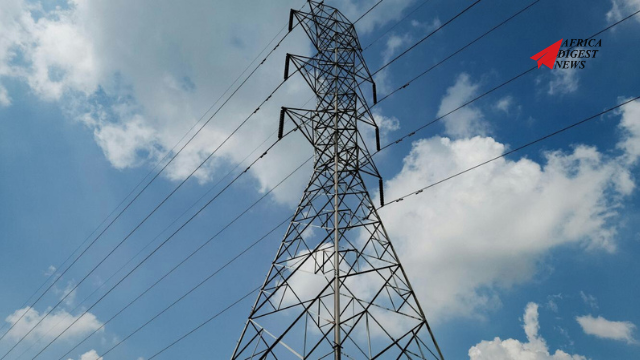
The transition is increasingly being viewed as an economic investment story rather than purely an environmental one. Building renewable power plants is only part of the challenge. The country must also expand the transmission network needed to connect new projects to demand centres.
To support this, South Africa has:
- Established the National Transmission Company South Africa (NTCSA).
- Begun opening transmission development to private participation.
- Advanced electricity market reforms under the Electricity Regulation Amendment Act.
These changes are intended to create a more competitive electricity market while removing one of the biggest bottlenecks facing renewable expansion. Ramaphosa has consistently framed the energy transition as an economic opportunity. Rather than presenting decarbonisation as the primary objective, government policy increasingly focuses on:
- Improving energy security.
- Attracting investment.
- Creating new industries.
- Supporting local manufacturing.
- Developing battery and critical mineral value chains.
- Improving South Africa’s long-term competitiveness.
In this view, clean energy is becoming a platform for broader industrial development. Despite the progress, South Africa remains one of the world’s most coal-dependent electricity systems. Coal continues to supply the majority of electricity, meaning the transition remains incomplete. Government has repeatedly stressed that the shift must occur at a pace the country can afford, balancing three priorities:
- Reliability.
- Affordability.
- Decarbonisation.
Maintaining that balance will determine whether the transition succeeds. President Ramaphosa’s message is that South Africa’s Just Energy Transition has moved beyond policy announcements into implementation. Renewable investment is rising, rooftop solar is expanding rapidly, grid reforms are underway and billions of rand are flowing into the sector.
While coal will remain part of the electricity mix for years to come, the country’s energy transition is increasingly becoming an economic transformation story one driven as much by investment, competitiveness and energy security as by climate commitments.