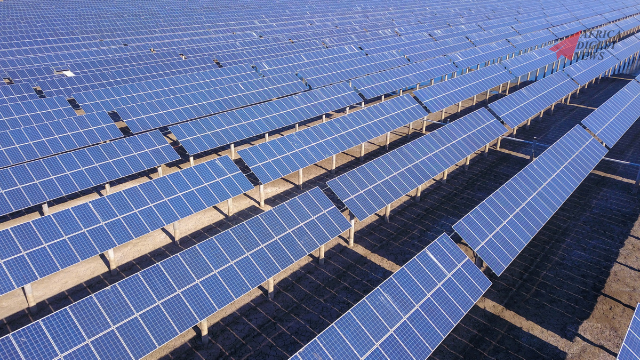
Absa Bank Kenya’s decision to expand its solar programme across its branch network highlights a growing trend in corporate energy strategy: businesses are increasingly adopting solar because it delivers measurable operational savings, not simply because it supports environmental commitments. According to the bank, a pilot installation reduced electricity consumption by up to 51% at participating branches. Encouraged by those results, Absa is now extending the programme to additional locations, positioning distributed solar as part of its long-term operational strategy rather than a standalone sustainability initiative.
The significance of the project lies in its commercial rationale. Banks operate extensive branch networks with predictable daytime electricity demand driven by lighting, air conditioning, IT equipment, ATMs, and security systems. These consumption patterns align well with solar generation, allowing branches to use a large share of the electricity they produce while reducing purchases from the grid. For businesses operating dozens or even hundreds of locations, the financial impact can be substantial. Cutting electricity consumption by as much as 51% at individual branches has the potential to lower operating costs across an entire property portfolio while reducing exposure to future electricity tariff increases.
The programme also reflects a broader shift in how companies evaluate renewable energy investments. Solar is increasingly viewed as an asset that improves operational efficiency rather than simply helping organizations meet environmental, social, and governance (ESG) targets. As energy costs continue to rise, reducing electricity expenditure has become a business performance objective as much as a sustainability goal.
Absa’s expansion is also consistent with its wider investment in green finance. The bank has previously supported off-grid solar financing and broader sustainable finance initiatives, suggesting that the branch programme forms part of a larger strategy that combines financing renewable energy projects with deploying clean energy across its own operations.
This approach carries an important demonstration effect. Financial institutions are typically evaluated on lending performance, profitability, and customer service, not on energy management.
Read Also: How Community Solar Is Expanding Access to Clean Energy in Delaware
When a major commercial bank publicly reports significant electricity savings from solar installations, it provides other businesses with a practical example of renewable energy delivering measurable commercial returns. The implications extend beyond the banking sector. Retail chains, supermarkets, office parks, hospitals, hotels, schools, and other organizations with multiple facilities face similar daytime electricity demand profiles. Many could achieve comparable savings through distributed solar, particularly where roof space is available and electricity tariffs remain a significant operating expense.
The rollout also highlights the growing importance of distributed generation in Kenya’s energy landscape. While utility-scale renewable projects continue to expand the national electricity supply, behind-the-meter solar is enabling individual businesses to manage their own energy costs while reducing pressure on the wider grid during daylight hours. Absa’s programme demonstrates that the business case for corporate solar has matured. The decision to invest is increasingly being driven by economics rather than environmental branding.