The cost of renewable electricity is often measured using the Levelized Cost of Energy (LCOE), a metric that captures the lifetime cost of building and operating a power plant divided by the electricity it produces. While solar PV frequently records some of the lowest generation costs globally, comparing technologies on generation cost alone can be misleading. The more important question is the cost of delivering reliable electricity to the grid.
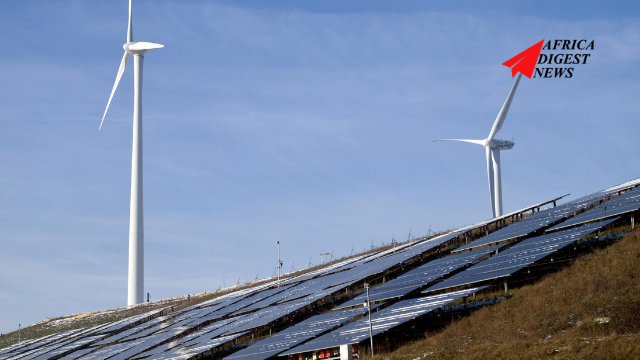
That is where the combination of wind and solar becomes attractive. A hybrid wind-solar system can often produce electricity at a lower overall system cost than a solar-only project backed by large-scale battery storage. The reason is simple: the two technologies complement each other. Solar generation peaks during the day, while wind resources in many regions strengthen in the evening, overnight, or during different seasons. This natural diversity reduces the amount of battery storage required to provide dependable power.
LCOE is about more than the cost of solar panels or wind turbines. It also includes financing, operations and maintenance, transmission, grid connection, and, increasingly, the cost of storage needed to make renewable electricity dispatchable. Once batteries are added to a standalone solar project, the delivered cost of electricity rises because storage remains one of the most expensive components of a renewable energy system.
Studies illustrate this trade-off. In Egypt, for example, estimates have placed the LCOE of onshore wind between approximately US$0.047 and US$0.059 per kilowatt-hour, while solar PV has been estimated between US$0.079 and US$0.181 per kilowatt-hour, depending on resource quality, financing assumptions, and project location. Although technology costs have declined significantly since some of these studies were published, the underlying principle remains valid: the most economical technology depends on local resource conditions and total system design rather than equipment prices alone.
Read Also: Hydra Brings Africa’s Largest Hybrid Renewable Energy Facility Online
The advantage of combining wind and solar is that each technology helps cover the other’s weaknesses. A standalone solar plant designed to provide electricity after sunset typically requires significant battery capacity. A standalone wind farm can also experience periods of low generation. Together, however, they produce a more balanced generation profile, reducing the need for expensive storage and limiting energy curtailment during periods of excess production.
This diversity has direct economic benefits. Smaller battery systems mean lower capital expenditure, fewer replacement costs over the project’s lifetime, and lower financing requirements. The result is often a lower system-wide LCOE than relying on a single renewable technology supported by large amounts of storage. The comparison, therefore, is not simply solar versus wind. It is solar plus large-scale storage versus a diversified wind-solar portfolio supported by smaller, more efficient storage systems. In many markets, particularly those with strong wind resources, the second option delivers electricity more economically while improving grid reliability.
As power systems become increasingly renewable, this system-level perspective will matter more than individual project costs. Utilities and investors are no longer evaluating projects solely on the cheapest generation technology. They are looking for the lowest cost of delivering reliable electricity over the long term. The conclusion is straightforward. Solar may be one of the cheapest sources of electricity at the plant level, but at the power system level, a well-designed mix of wind and solar often delivers lower costs because it reduces dependence on the most expensive component of the transition: battery storage.