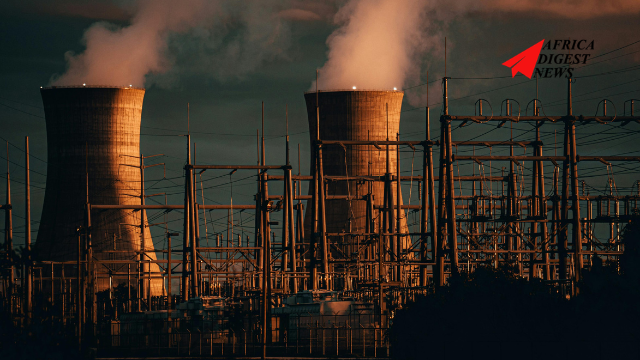
Kenya continues to advance plans to introduce nuclear power into its electricity mix, with the Nuclear Power and Energy Agency (NuPEA) maintaining its target of commissioning the country’s first 1,000 MW nuclear power plant in the 2030s. Preparatory work is underway on regulatory frameworks, infrastructure planning, human capacity development and site evaluation as part of Kenya’s long-term energy strategy.
But as the technical programme progresses, another challenge is becoming increasingly important—public acceptance. Communities in some of the coastal areas identified as potential host locations have expressed concerns over environmental safety, land use, tourism, emergency preparedness and the long-term implications of hosting a nuclear facility. Those concerns highlight a reality that every successful nuclear programme has had to confront: nuclear power is as much a social and governance project as it is an engineering one.
For Kenya, the project’s success will depend on more than financing and technology. The government views nuclear energy as a strategic addition to the country’s power system, providing reliable baseload electricity while diversifying an energy mix already dominated by geothermal, hydropower and wind. As electricity demand continues to grow alongside industrialisation, nuclear offers the prospect of stable, low-carbon generation capable of operating continuously regardless of weather conditions.
However, experience from nuclear programmes around the world shows that technical readiness alone is not enough. Communities expect clear answers on safety standards, environmental protection, emergency response systems, land acquisition, economic opportunities and long-term accountability. Where those issues are not addressed transparently, public opposition can delay projects for years regardless of their technical merits.
This is why stakeholder engagement has become one of the most important components of Kenya’s nuclear roadmap. Building confidence will require transparent environmental assessments, open consultation with host communities, independent regulatory oversight and a clear demonstration of how local communities will benefit from the investment.
Read Also: Grid Gap in Focus as Southern African Utility Leaders Join AEW Power Africa Today
It is equally important to place nuclear within Kenya’s broader energy strategy. The country has already established itself as one of Africa’s renewable energy leaders through significant investments in geothermal, wind and solar power. Nuclear is not intended to replace those technologies but to complement them by providing dependable baseload generation that strengthens overall grid reliability.
The technology may be proven. The financing can be arranged. The engineering can be delivered. But without public trust, even the strongest technical roadmap becomes difficult to execute.