The Africa Finance Corporation’s financing package for Burkina Faso is a concrete action. AFC has reached financial close on a $300 million corporate loan to back Turkish developer Aksa Enerji’s 119 MW thermal power plant. The first $60 million tranche has already been disbursed. Construction is under way and the plant is slated to begin operations in 2027, making it the country’s largest power station.
What the project delivers is immediate and practical. The plant will:
- Provide firm baseload power to industry, mines, and businesses.
- Cut Burkina Faso’s dependence on imported electricity by more than 50%.
- Strengthen national system resilience alongside existing hydro and solar capacity.
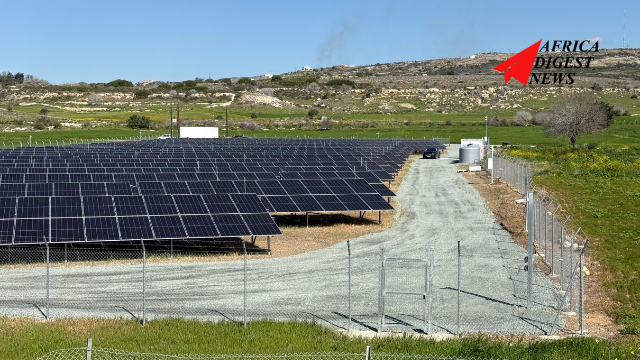
This is a step change for Burkina Faso’s energy mix. The plant will operate alongside small hydro assets (Kompienga 14 MW, Bagré 16 MW) and expanding solar farms (Zagtouli 33 MW, Kodeni 38 MW, and the expected 25 MW Donsin project), shifting the country from heavy reliance on regional imports toward domestic supply.
The market implication is clear. This project follows a pattern of on‑site and national power buildouts that address energy security directly. Smaller, earlier thermal projects, like the 16 MW plant completed by Africa Power Services in 2025, proved the concept at local scale. AFC’s deal is larger, tied to the national grid, and financed at scale; it is a replicable model for other states facing import vulnerability.
Policy and investment consequences are immediate:
- Investors: The deployment signals bankable opportunities in national-scale thermal and hybrid projects where demand is firm and offtake is clear. Prioritize developers and EPCs with regional execution records and structure capital to match construction timetables.
- Policymakers and corporate buyers: Backing a funded, under-construction plant requires fast, disciplined implementation of grid integration, fuel logistics, and tariff arrangements. The financing template is available; execution is now the constraint.
AFC’s Burkina Faso loan is money on the ground and earthworks in motion. The project will reshape domestic supply, shorten reliance on neighboring grids, and provide a working blueprint for scaling capacity in other fragile or import‑dependent markets.
Decision makers ignoring projects at this stage are forfeiting real economic leverage; those who act will capture the near‑term benefits of energy sovereignty.