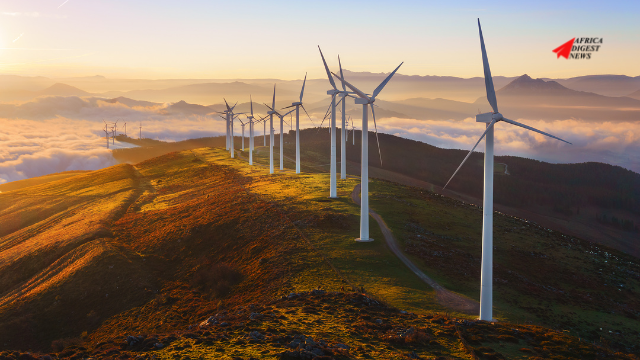
A single wind turbine can generate electricity. A wind farm generates power at utility scale. One turbine may supply electricity to thousands of homes under favourable conditions. A wind farm combines dozens—or even hundreds—of turbines into a coordinated power station capable of supplying cities, industries and national electricity grids.
This is how wind energy moves beyond individual machines and becomes part of a country’s electricity infrastructure.
What Is a Wind Farm?
A wind farm is a collection of wind turbines installed in the same location and connected through a shared electrical network to generate electricity on a large scale. The electricity produced by each turbine is collected, transmitted to a substation and then delivered to the national grid.
Although each turbine operates independently, they function as one power plant. Every turbine contributes electricity. The combined output becomes the wind farm’s generating capacity. The larger the project, the greater the amount of electricity it can supply.
How Does a Wind Farm Work?
The process follows a logical sequence. First, the wind turns the blades of each turbine. Inside every turbine, a generator converts that mechanical movement into electricity. Instead of sending electricity directly to consumers, underground or overhead collection cables connect all turbines to a central substation.
At the substation, transformers increase the voltage so electricity can travel efficiently across long transmission lines before entering the national grid. From there, homes, businesses, factories and hospitals receive electricity in exactly the same way they would from any other power station. Consumers cannot tell whether the electricity originated from wind, hydroelectricity or natural gas.
The Main Parts of a Wind Farm
A wind farm is far more than a group of turbines. Several systems work together to produce dependable electricity.
| Component | Purpose |
| Wind Turbines | Convert wind into electricity |
| Collection Cables | Carry electricity from each turbine |
| Substation | Increases voltage before transmission |
| Transmission Lines | Deliver electricity to the national grid |
| Monitoring Systems | Track performance and detect faults |
| Access Roads | Allow construction and maintenance crews to reach turbines |
A wind turbine without transmission infrastructure cannot supply electricity to anyone.
Onshore vs Offshore Wind Farms
Wind farms fall into two main categories.
Onshore Wind Farms
These are built on land. They are the most common type worldwide because construction costs are lower and maintenance is easier.
Many of Africa’s existing wind projects—including the Lake Turkana Wind Power project in Kenya—are onshore developments.
Open plains, mountain ridges and coastal regions often provide excellent wind conditions.
Offshore Wind Farms
Offshore wind farms are constructed in oceans or large bodies of water. Wind speeds offshore are generally stronger and more consistent, allowing turbines to generate more electricity over time.
However, building in marine environments is significantly more expensive. Projects require specialised foundations, subsea cables, offshore substations and dedicated maintenance vessels.
For many African countries, onshore wind currently offers the stronger economic case, although offshore opportunities continue to attract interest along suitable coastlines.
Why Turbines Are Spaced So Far Apart
One of the first questions people ask when visiting a wind farm is why the turbines stand so far from one another.
The answer lies in airflow. As wind passes through a turbine, it creates turbulence behind the blades. This disturbed airflow, known as a wake, reduces the amount of energy available to the next turbine.
Proper spacing allows cleaner wind to reach every turbine, increasing the overall electricity production of the entire wind farm. The goal is not to fit the greatest number of turbines onto the land. The goal is to maximise the electricity generated across the entire project.
How Much Land Does a Wind Farm Need?
Large wind farms often cover many square kilometres. That does not mean every square metre is occupied. Only a small percentage of the land contains turbine foundations, roads and electrical infrastructure.
The remaining land frequently continues supporting farming, livestock grazing and other agricultural activities. This makes wind farms one of the few utility-scale electricity technologies that allow productive land use to continue alongside energy generation.
How Much Electricity Can a Wind Farm Produce?
There is no standard answer.
Output depends on several factors:
- The number of turbines
- Turbine size
- Average wind speed
- Local terrain
- Operating efficiency
A project with fewer turbines located in an excellent wind resource can outperform a larger project built where wind conditions are weaker. This is why developers spend months collecting wind data before construction begins. The quality of the wind resource determines the long-term success of the project.
Why Wind Farms Matter
Electricity demand across Africa continues to grow. New industries, expanding cities and increasing digital infrastructure require dependable sources of power.
Wind farms help meet that demand without relying on imported fuel. Once operational, they produce electricity using a resource that arrives naturally every day.
For countries seeking greater energy security, that changes the economics of electricity generation. Instead of purchasing fuel for decades, governments invest once and generate electricity from the wind for more than twenty years.
A wind farm is not simply a collection of tall towers spread across a landscape. It is a complete power station.
Every turbine, cable, transformer and substation forms part of a system designed to convert moving air into electricity on a national scale. As Africa expands its electricity infrastructure, wind farms will become increasingly common in regions with strong wind resources.
Their success will depend on more than the turbines themselves. Careful site selection, modern transmission networks, skilled maintenance teams and long-term planning determine whether a wind farm delivers dependable electricity for decades—or falls short of its potential.