For many homeowners and businesses, the biggest electricity expense is not power outages—it’s the monthly Kenya Power bill.
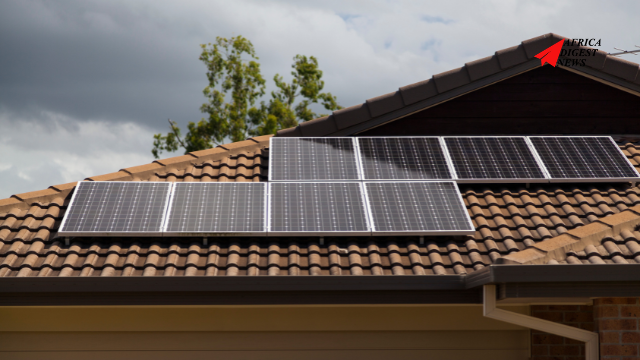
An on-grid solar system is designed to reduce that bill by generating electricity during the day while remaining connected to the national grid. Instead of relying entirely on solar batteries, the system uses solar energy first and draws electricity from the grid whenever solar production is insufficient.
Because battery storage is optional, on-grid systems are usually the most affordable type of solar installation. A 5kW grid-tied system can cost hundreds of thousands of shillings less than an equivalent hybrid or off-grid system.
Quick Price Guide
| System Size | Suitable For | Estimated Cost (KSh) |
| 1–2kW | Small home | 120,000 – 220,000 |
| 3kW | Small family home | 250,000 – 350,000 |
| 5kW | Medium to large home | 380,000 – 500,000 |
| 10kW | Commercial property | 800,000 – 1.2M |
| 20kW+ | Offices, schools, factories | 1.5M+ |
These estimates generally include solar panels, a grid-tied inverter, mounting structures, electrical protection, wiring, installation, and commissioning. They do not usually include battery storage.
What Is an On-Grid Solar System?
An on-grid solar system—also called a grid-tied system—is connected directly to Kenya Power.
During the day:
- Solar panels generate electricity.
- Your home or business consumes that electricity first.
- If solar production drops, power automatically comes from the grid.
Unlike an off-grid system, there is normally no large battery bank to store excess energy. That is one reason installation costs are significantly lower.
Why On-Grid Systems Cost Less
Battery storage is often the single most expensive component of a solar installation. Removing batteries can reduce the overall project cost by 30–40%, making on-grid solar an attractive option for properties with reliable grid access.
What Determines the Cost?
1. Electricity Consumption
The amount of electricity you use each day determines the size of the solar system.
For example:
| Daily Consumption | Recommended System |
| 4–6 kWh | 2kW |
| 6–10 kWh | 3kW |
| 10–20 kWh | 5kW |
| 20–40 kWh | 10kW |
The objective is to produce enough daytime electricity to offset as much grid consumption as possible.
2. Roof Size and Orientation
A larger roof provides more space for solar panels.
South-facing and east-west roof layouts, minimal shading, and strong roof structures generally make installation easier and improve energy production.
3. Inverter Quality
The inverter converts direct current (DC) produced by the panels into alternating current (AC) used by household appliances.
A high-quality inverter can:
- Improve system efficiency
- Extend equipment life
- Provide better monitoring
- Reduce maintenance costs
Typical Cost Breakdown
| Component | Approximate Share of Budget |
| Solar Panels | 45% |
| Grid-Tied Inverter | 25% |
| Mounting Structure | 12% |
| Wiring & Protection | 8% |
| Installation & Testing | 10% |
Without batteries, solar panels become the largest share of the investment.
Example Installation
Four-Bedroom Home
Daily electricity use includes:
- Lighting
- Television
- Refrigerator
- Washing machine
- Internet
- Home office equipment
Recommended system:
| Component | Specification |
| Solar Panels | 10 × 550W |
| Grid-Tied Inverter | 5kW |
| Mounting Structure | Complete |
| Protection Equipment | Included |
Estimated Cost: KSh 380,000 – KSh 500,000, depending on roof design, inverter brand, and installation complexity.
Advantages of On-Grid Solar
An on-grid system is a practical choice for properties with dependable grid access.
Key benefits include:
- Lower installation cost
- Reduced monthly electricity bills
- Minimal maintenance
- No large battery replacement costs
- Long equipment lifespan
- Suitable for homes and commercial buildings
For many urban properties, reducing electricity bills is a higher priority than complete energy independence.
Things to Consider Before Buying
Before choosing an on-grid system, ask these questions:
- Does your area experience frequent power outages?
- Will you need electricity during blackouts?
- Is your daytime electricity consumption high enough to benefit from solar?
- Are you planning to add electric vehicles or other major loads in the future?
If uninterrupted power is essential, a hybrid system with battery storage may be a better option despite the higher upfront investment.
Frequently Asked Questions
Does an on-grid solar system work during a blackout?
Most standard grid-tied systems automatically shut down during a power outage for safety reasons. If backup power is required, consider a hybrid system with batteries.
Can I eliminate my electricity bill?
Many homeowners can reduce their bills substantially, but complete elimination depends on electricity consumption, system size, and applicable grid policies.
Is an on-grid system cheaper than an off-grid system?
Yes. Without battery storage, on-grid installations generally cost significantly less than hybrid or off-grid systems.
How long does installation take?
Most residential on-grid installations are completed within one to three days, while larger commercial projects may require more time depending on system size.