In 2026, the market is dominated by high-performance lithium-ion solutions that offer the resilience needed to handle frequent load shedding while providing a solid return on investment. This guide breaks down the top picks, current pricing, and what you need to know before buying.
What is the Best Solar Battery in South Africa?
For most South African homes, the Sunsynk (Deye) 5.12kWh Lithium Battery and the Pylontech US3000C/US5000 are the top choices. They offer the best balance of price, inverter compatibility, and local technical support. If you have a larger budget and want a premium, all-in-one solution, the Tesla Powerwall 3 remains the gold standard for performance and aesthetics.
South Africa Solar Battery Price Table (2026)
Prices are estimates for the battery unit only, excluding installation and VAT.
| Brand | Model | Capacity | Est. Price (ZAR) | Warranty |
| Sunsynk | LFP Wall Mount | 5.12kWh | R 22,000 – R 28,000 | 5-10 Years |
| Pylontech | US5000 | 4.8kWh | R 24,000 – R 30,000 | 10 Years |
| Freedom Won | LiTE Home 5/4 | 5kWh | R 26,000 – R 32,000 | 10 Years |
| Hubble Energy | AM-2 / AM-5 | 5.12kWh | R 21,000 – R 27,000 | 10 Years |
| Solar MD | SS4074 | 7.4kWh | R 35,000 – R 42,000 | 10 Years |
| Tesla | Powerwall 3 | 13.5kWh | R 160,000 – R 190,000 | 10 Years |
Best Lithium Options for Load Shedding
In South Africa, a solar battery isn’t just for saving money; it’s for keeping the lights on during Stage 4 or Stage 6 load shedding. This requires a battery that can charge quickly and handle deep discharges.
- Sunsynk / Deye: These are incredibly popular because they are designed to work perfectly with Sunsynk hybrid inverters, which are the most common in SA. They are robust, easy to install, and have excellent local support.
- Freedom Won: As a South African brand, Freedom Won understands the local environment. Their batteries are known for being exceptionally durable and are often used in high-end residential and commercial projects.
- Hubble Energy: Hubble has gained a massive following in SA due to its competitive pricing and high-quality cells. Their cloud-based monitoring (Cloudlink) is a favorite for tech-savvy homeowners.
Best Budget Option: Is Lead-Acid Still Worth It?
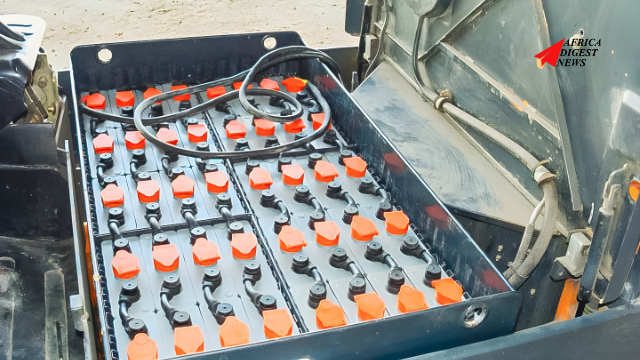
While Lithium-ion (LiFePO4) is the recommended technology for 2026, some homeowners still consider deep-cycle Gel or AGM batteries due to their lower upfront cost (around R 4,000 – R 6,000 for a 200Ah unit).
However, in a load-shedding environment, lead-acid batteries often fail within 12-18 months because they cannot handle being discharged multiple times a day. Lithium is significantly cheaper over a 10-year period.
How to Choose the Right Size
- Small Home / Apartment (Essentials Only): A 5kWh battery is enough to run your lights, TV, internet, and fridge for 4-6 hours.
- Medium Family Home (Comfort): A 10kWh setup (two 5kWh units) allows you to run your essentials plus a microwave, dishwasher, and perhaps a small air conditioner for a limited time.
- Large Home / Off-Grid: You will likely need 15kWh to 30kWh of storage to ensure you never have to worry about the grid again.
ROI: How Long Does It Take to Pay for Itself?
With electricity prices in South Africa rising by double digits annually, a lithium battery system typically pays for itself in 4 to 6 years. This ROI is even faster if you use the battery to “load shift”—charging it with solar during the day and using that energy during peak evening hours when grid prices are highest.
FAQ
- Can I add more batteries later? Yes, most lithium brands like Pylontech and Sunsynk allow you to “stack” batteries. You can start with one 5kWh unit and add more as your budget allows.
- Do I need a new inverter for a lithium battery? Most likely, yes. Older “UPS” style inverters are not compatible with lithium batteries. You need a modern “Hybrid” inverter that can communicate with the battery’s BMS.
- Is it safe to keep the battery inside? LiFePO4 (Lithium Iron Phosphate) batteries are very safe and do not emit gases like lead-acid batteries. They can be installed in a garage or a ventilated indoor cupboard.
The best solar battery is one that offers reliability during load shedding and a long-term warranty. Stick to reputable brands like Sunsynk, Freedom Won, or Pylontech to ensure your investment is protected for the next decade.
By Thuita Gatero, Managing Editor, Africa Digest News. He specializes in conversations around data centers, AI, cloud infrastructure, and energy.


