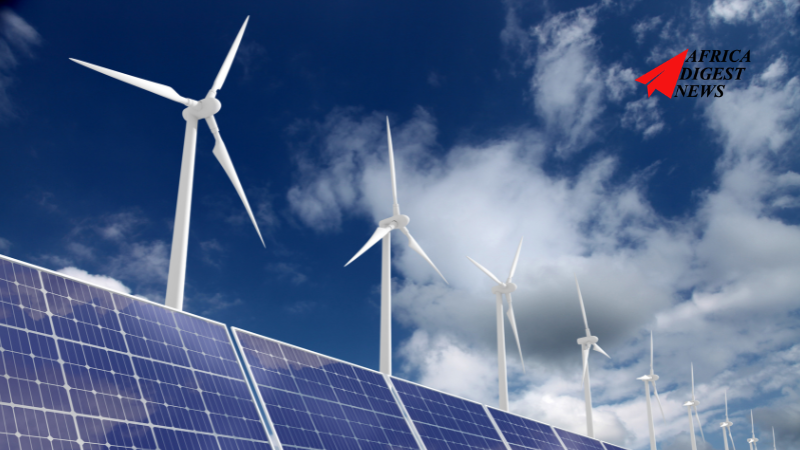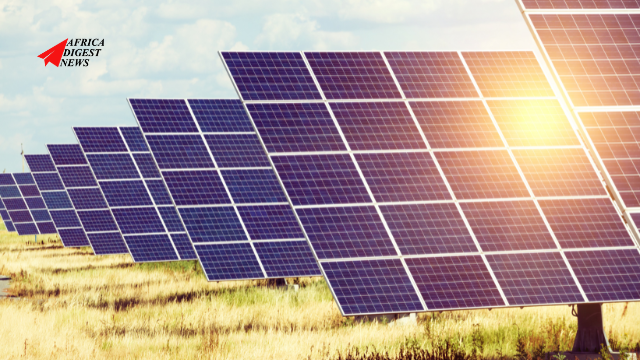
South Africa’s electricity system continues to stabilise through incremental additions rather than single large breakthroughs. The commissioning of the 148 MW Bolobedu Solar Plant in Limpopo reflects that approach.
Completed in April 2026 by Rio Tinto, the photovoltaic facility will generate roughly 300 gigawatt-hours of electricity each year and supply power through the national grid. That output will not resolve the country’s electricity shortage on its own.
But it strengthens a pattern already underway. South Africa’s recovery strategy relies on adding generation capacity across multiple locations rather than waiting for a single large solution. Solar installations are playing an increasing role because they can be deployed faster than conventional power stations and reduce exposure to fuel price volatility.
The Bolobedu project occupies roughly 347 hectares and contributed employment for about 800 local residents during construction. Skills training and contracts for women-led enterprises formed part of the project’s local participation strategy.
This reflects a wider expectation placed on infrastructure investments. Energy projects are now expected to deliver employment and community participation alongside electricity supply. That requirement shapes how projects are structured and evaluated across the renewable sector.
Read Also: Africa’s Energy Future Will Be Built at Home, Ethiopia Makes the Case in Vienna
Government officials described the facility as an example of coordinated investment between public institutions and private developers. That cooperation remains central to expanding renewable capacity at the pace required by the grid.
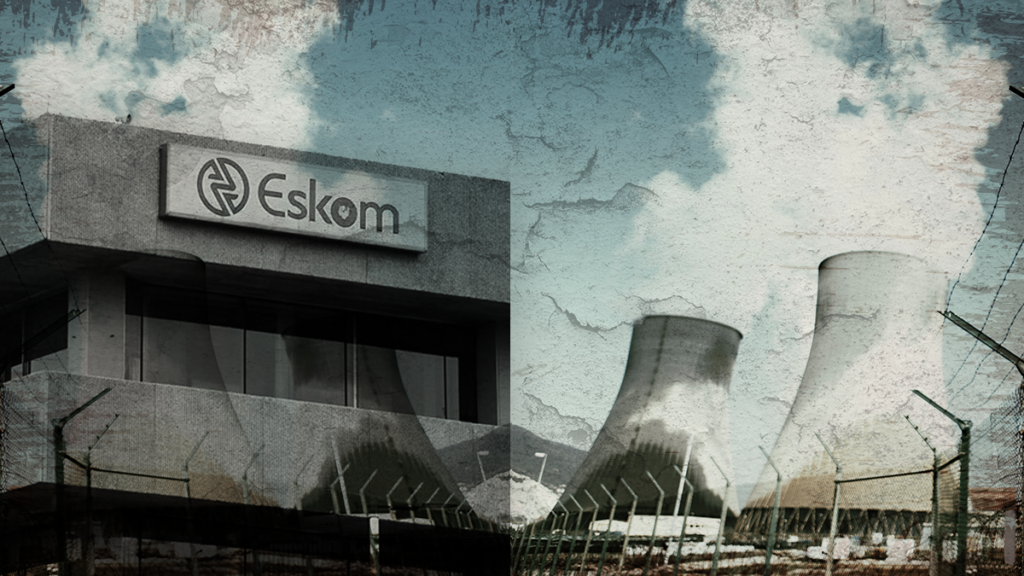
South Africa continues to face supply constraints linked to ageing generation infrastructure and transmission limitations. Additional renewable capacity helps stabilise supply during daylight hours and reduces pressure on thermal generation.
The significance of projects like Bolobedu lies in accumulation. Each completed plant adds capacity, strengthens investor confidence, and builds technical experience across the sector. Together they reshape the generation mix. Solar power now forms a growing share of new installations entering the system each year.
Government policy continues to focus on expanding that pipeline while maintaining grid reliability and supporting local economic participation. Additional renewable projects remain under development across several provinces as part of the broader electricity recovery strategy. Bolobedu shows how that strategy is advancing in practice. Increment by increment, the grid is changing.
By Thuita Gatero, Managing Editor, Africa Digest News. He specializes in conversations around data centers, AI, cloud infrastructure, and energy.