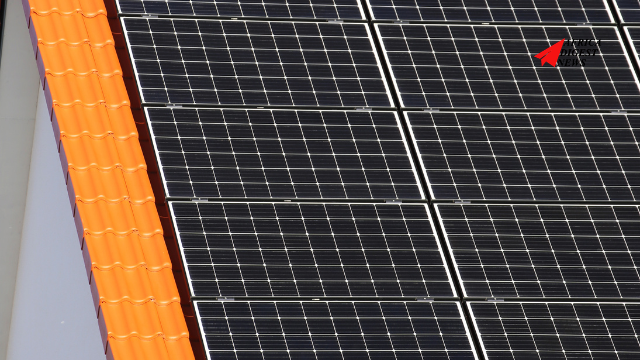
South Africa’s rooftop solar market is expanding quickly, but industry regulators are warning that installation standards are not keeping pace with demand. The Electrical Contractors’ Association of South Africa has raised concerns about unqualified individuals certifying solar photovoltaic systems, particularly in the residential and small commercial segments.
According to the association, only registered Installation Electricians and Master Installation Electricians are legally permitted to approve solar PV systems. Despite this requirement, some installations are being signed off by technicians without the necessary certification authority.
This creates safety risks for property owners. Solar systems operate differently from conventional electrical installations. DC-coupled equipment requires specialised handling, and incorrect certification can expose buildings to electrical faults, fires, or insurance complications.
Compliance with SANS 10142 remains mandatory for all installations. Grid-connected systems must also be registered with local municipalities as Small Scale Embedded Generators. Utilities including Eskom and the City of Cape Town already enforce these requirements.
Installations that fail registration risk penalties or disconnection. As electricity shortages continue to influence energy decisions across South Africa, rooftop solar adoption has accelerated among households and businesses seeking supply stability.
Rapid market growth often attracts new installers faster than regulatory systems can respond. Industry bodies are therefore encouraging property owners to verify credentials before proceeding with installations. Valid wireman’s licences issued by the Department of Employment and Labour remain the primary qualification check.
Registration with the Bargaining Council for the Electrical Industry and certification through the SAPVIA PV GreenCard programme provide additional assurance. Quality enforcement is becoming an important part of market maturity.
Solar adoption reduces pressure on the national grid, but poorly installed systems introduce new risks into the electricity network.
Maintaining installation standards protects both consumers and the long-term credibility of distributed solar infrastructure. As rooftop solar becomes part of everyday energy planning across South Africa, compliance is moving from a technical requirement to a market stability issue.
By Thuita Gatero, Managing Editor, Africa Digest News. He specializes in conversations around data centers, AI, cloud infrastructure, and energy.