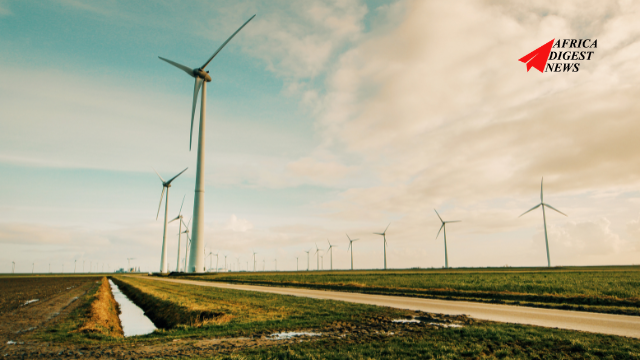
Namibia is positioning itself at the heart of this transformation, as Gulf investors bring capital, expertise, and strategic partnerships to create a diverse energy corridor spanning oil, gas, solar, and hydrogen.
Namibia offers unique geographic and logistical advantages. Its Atlantic coastline, anchored by the natural deepwater port of Walvis Bay, allows large-scale energy exports without the heavy infrastructure investments required elsewhere. The port’s location on major shipping routes provides cost-efficient access to both European and Asian markets, making it an attractive hub for investors seeking reliable, globally competitive energy export channels.
But Namibia’s appeal isn’t just about geography. The country is leveraging its resource diversity to attract investment with both short- and long-term horizons. Offshore petroleum discoveries provide near-term revenue potential, while the abundant solar and wind resources are ideal for renewable energy generation and hydrogen production. This combination allows investors to hedge risks, capturing immediate cash flows from hydrocarbons while building future-proof renewable energy assets.
This resource strategy also aligns with Namibia’s forward-thinking institutional frameworks. The Welwitschia Sovereign Wealth Fund, for example, ensures that profits from energy exports are reinvested into national development priorities, rather than spent on short-term consumption. Alongside this, policies encouraging local content, tax incentives, and special economic zones create a more secure environment for foreign investors, signaling a focus on long-term sustainable growth rather than extractive short-term gains.
The Gulf-Namibia energy partnership is particularly noteworthy because it emphasizes integration across energy types rather than isolated projects. Investors are exploring how oil, gas, solar, and wind can coexist within the same infrastructure corridors. This approach allows for shared logistics, coordinated export facilities, and cross-technology revenue streams, a model that could be replicated in other parts of Africa to balance immediate returns with energy transition goals.
Read Also: Africa Accelerates Solar Adoption as Diesel Dependence Declines
Investment experts note that Namibia’s strategic approach could reshape regional energy trade dynamics. By combining conventional and renewable resources, the country is positioned to supply both global energy markets and domestic industrial demand. Investors see this as a rare opportunity in Africa: a corridor that offers the scale, stability, and diversity to mitigate typical risks such as price volatility, policy uncertainty, and infrastructure constraints.
The broader implication is clear: Namibia is not just developing energy assets, it’s creating an investment blueprint for Africa’s next-generation energy corridors. Projects in the Gulf partnership are helping define standards for export efficiency, renewable integration, and long-term economic planning, showing how African countries can leverage geography, policy, and resource diversity to attract global capital.
As African energy markets evolve, Namibia illustrates that success lies in strategic diversification, smart infrastructure, and institutional foresight. Investors willing to engage with these corridors can gain access to near-term revenues, long-term energy transition opportunities, and a stake in shaping a more sustainable, export-driven African energy sector.
By Thuita Gatero, Managing Editor, Africa Digest News. He specializes in conversations around data centers, AI, cloud infrastructure, and energy.


