Africa is on the cusp of a monumental energy transformation, poised to emerge as a global energy superpower, not through traditional fossil fuels, but through the harnessing of its vast solar potential.
While the continent currently possesses a modest operational solar capacity, the sheer scale of its project pipeline signals an impending build-out comparable to the rapid energy expansions seen in industrial giants like China and India. This shift is driven by an unparalleled combination of abundant natural resources and a growing commitment to renewable energy development.
Currently, Africa’s operational solar capacity stands at approximately 23.4 GW as of early 2026. To put this into perspective, this figure is significantly lower than that of established solar markets.
For instance, China alone adds over 200 GW of solar capacity annually, and even individual European countries often surpass Africa’s total operational capacity. This baseline highlights the immense untapped potential that Africa holds. However, focusing solely on current operational capacity overlooks the most compelling indicator of future growth: the project pipeline.
The continent boasts an astonishing 296 GW of solar projects currently in development, with over 42,000 tracked projects across various stages. This colossal pipeline is not merely an aspiration; it represents a tangible investment momentum that, if fully realized, would fundamentally reshape Africa’s energy landscape and its role in global energy markets.
While it is true that not all projects in a pipeline ultimately get built, such a substantial volume indicates a strong intent and significant capital mobilization towards solar development. This scale suggests that Africa is entering a gigawatt-scale build phase, mirroring the transformative periods experienced by other nations that have rapidly scaled their renewable energy infrastructure.
Countries like South Africa, Egypt, Morocco, Kenya, and Nigeria are leading the charge, dominating the project pipeline. This concentration suggests that the energy transition, while continental in scope, is not evenly distributed.
Read Also: Africa’s Solar Potential Paradox, A Capital Allocation Problem
These nations, with their strategic locations, robust policy frameworks, or significant energy demands, are becoming crucial centers for renewable energy development. A visual representation, such as a heatmap of Africa shaded by solar pipeline size, would clearly illustrate these hotspots, emphasizing where the most significant growth is anticipated.
Beyond meeting domestic energy needs, Africa’s burgeoning solar capacity opens up significant export possibilities, positioning the continent as a future exporter of clean energy.
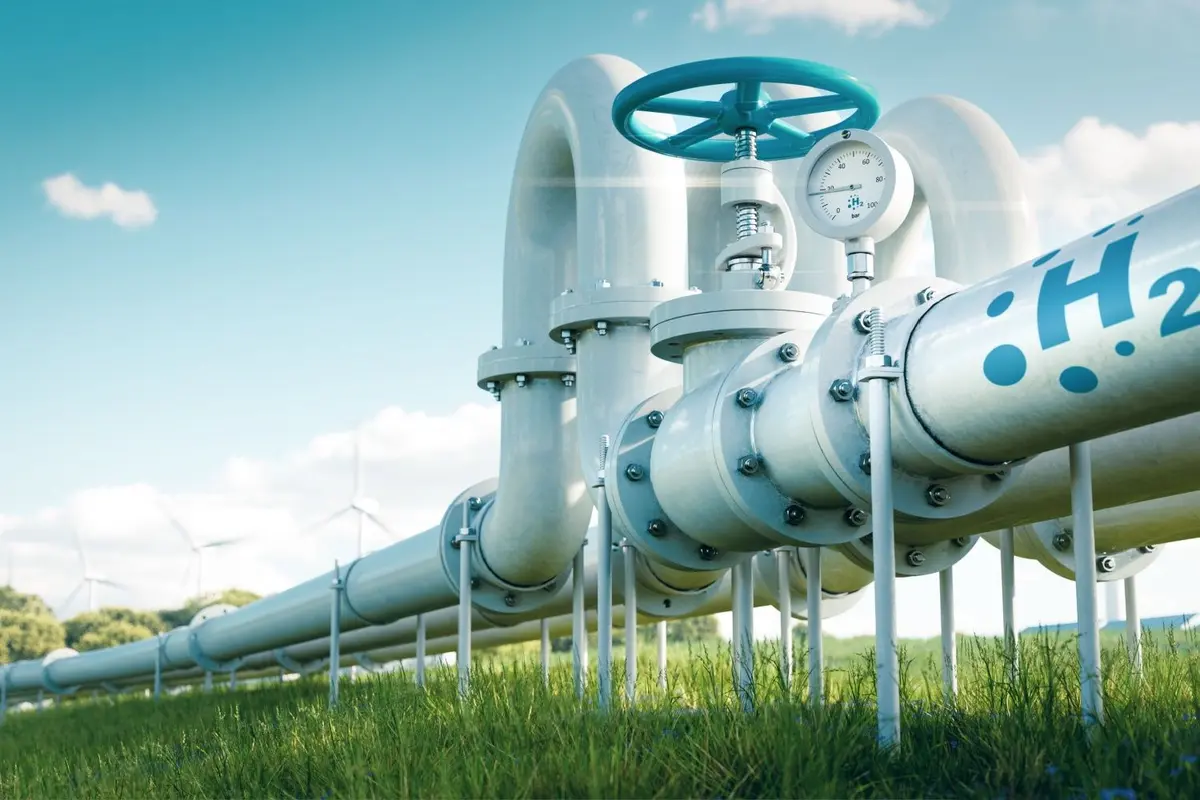
This includes the potential for large-scale production of green hydrogen, utilizing abundant renewable electricity to produce hydrogen with zero carbon emissions. This green hydrogen can then be exported to energy-hungry markets in Europe and Asia, or used domestically for industrial processes.
Furthermore, the development of interconnected grids could facilitate electricity export to neighboring regions, creating a robust regional energy market. Finally, reliable and affordable industrial power generated from solar can attract energy-intensive industries, fostering economic diversification and job creation across the continent.
This comprehensive approach to leveraging solar power could transform Africa from an energy importer to a net energy exporter, fundamentally altering global energy dynamics and establishing it as a key player in the clean energy future.
By Thuita Gatero, Managing Editor, Africa Digest News. He specializes in conversations around data centers, AI, cloud infrastructure, and energy.