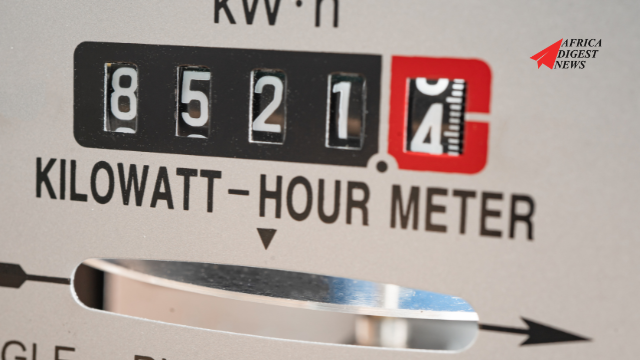
South Africa has ended daily load-shedding, but electricity costs are rising faster than ever. The National Energy Regulator of South Africa recently approved tariff increases up to 8.76%, higher than previously anticipated. For commercial and industrial users, this uncertainty threatens investment planning and growth.
Eskom’s coal fleet is aging. Around 30% of units are under maintenance at any time, and major retirements are scheduled by 2029. Backup generation from diesel and gas is stabilizing supply today, but at a cost. Without accelerated grid expansion, stable supply risks becoming an expensive illusion.
Independent power producer Thomas Garner notes that the decommissioning of coal-fired stations like Camden, Grootvlei, and Hendrina will coincide with rising electricity demand. New coal and nuclear plants are not viable in the short term, leaving renewables and battery storage as the fastest path to additional capacity.
Read Also: Tanzania Flips the Switch on Its First Grid-Connected Solar Giant
Private sector investment illustrates this trend: six to eight gigawatts of behind-the-meter solar has been installed over four years, compared to the slower output of nuclear. Grid-scale batteries allow electricity from intermittent solar or wind to be stored and dispatched during peak demand.
South Africa’s challenge is whether electricity prices remain manageable. High tariffs risk pushing businesses toward self-generation or energy alternatives, eroding the customer base that funds the grid. The problem extends beyond Eskom. A competitive electricity market, faster transmission expansion, and clearer regulatory frameworks are required to sustain industrial growth and attract investment. Stability alone will not restore economic competitiveness.
At its core, the lesson is systemic: energy is both a public utility and a business enabler. Without proactive reform, unserved energy may return by 2029. The solutions are clear — expand the grid, integrate storage, encourage renewables, and remove barriers for independent producers.
By Thuita Gatero, Managing Editor, Africa Digest News. He specializes in conversations around data centers, AI, cloud infrastructure, and energy.


