Johannesburg, South Africa – February 10, 2026 – While South Africa grapples with persistent load-shedding and grid capacity constraints, a revolution is unfolding on the rooftops of its businesses and homes.
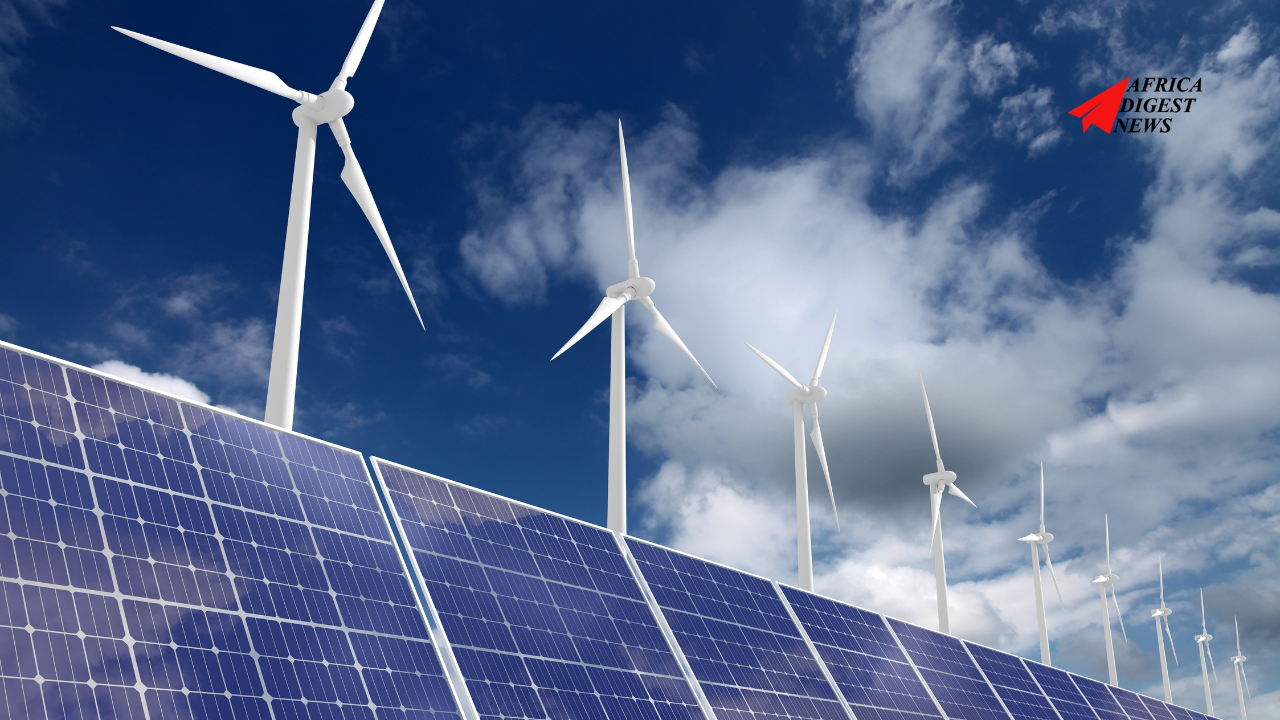
A handful of companies have emerged as giants in the commercial rooftop solar sector, collectively installing hundreds of megawatts of power that are meaningfully contributing to alleviating the country’s energy crisis. This decentralized approach is bypassing the strained national transmission grid, offering a pragmatic solution to immediate power needs.
Utility-scale renewable generation, particularly in the Cape provinces with high generation potential, has faced slowdowns due to limited transmission infrastructure. In contrast, numerous smaller power stations, often comprising thousands of panels, have proliferated across the country.
The National Transmission Company of South Africa estimates that by the end of 2025, approximately 7,500 MWp of “behind-the-meter” solar power installations were operational across homes and businesses. This figure, however, excludes significant commercial installations greater than 100 kWp, which require registration with the National Energy Regulator of South Africa (Nersa).
Since 2018, Nersa has registered over 18,000 MW of private power capacity, a large proportion of which is commercial rooftop solar.
Read Also: Kinetiko Energy Advances South Africa’s Largest Onshore Gas Project, Targeting Power Shortages
Among the leading players in this distributed energy landscape is Terra Firma. Owned by fund management firm AP-Moller Capital and industrial group Reunert, Terra Firma has installed over 350 MW of solar power capacity across more than 500 projects. Their impressive client roster includes major retailers and corporations such as Shoprite, Nestle, Spar, Discovery, Investec, Growthpoint, and Redefine Properties.
Notable installations include a 5.3 MWp system at Cornubia Mall in Durban and two 5.1 MWp systems at Mall of the South and Matlosana Mall. Beyond solar PV, Terra Firma has also deployed roughly 26 MWh of battery energy storage systems (BESS) and manages over 12,000 electricity meters, showcasing a comprehensive approach to energy management.
Another significant contributor is Solareff, an entity under Stanlib Asset Management. Solareff has delivered over 280 MWp of rooftop solar power and 47 MWh of BESS capacity. Their portfolio includes two of the five biggest rooftop solar installations in the country, with the largest being a 7.26 MWp plant on the Eastgate Shopping Centre in Germiston.
These projects highlight the scale and impact of commercial rooftop solar in providing reliable power to large commercial entities like malls and vehicle factories.
The rise of these rooftop solar giants underscores a fundamental shift in South Africa’s energy strategy. While large power plants remain essential for long-term energy security, the immediate and tangible impact of distributed generation in mitigating load-shedding cannot be overstated. Energy experts note that the country’s future grid will be significantly more distributed, with these commercial installations playing a vital role.
The high stakes involve not just keeping the lights on, but fostering economic stability and growth by empowering businesses to generate their own power, thereby reducing their reliance on an unstable national grid and contributing to a more resilient energy future for South Africa.
By Thuita Gatero, Managing Editor, Africa Digest News. He specializes in conversations around data centers, AI, cloud infrastructure, and energy.