Africa’s clean energy sector is attracting unprecedented investment, with private capital nearly doubling from $17 billion in 2019 to $40 billion in 2024. This surge reflects a growing global recognition of the continent’s immense renewable energy potential.
The financing ecosystem remains fundamentally ill-suited to the unique demands of distributed solar projects. This hidden financing gap is an administrative hurdle and an impediment to unlocking the full potential of Africa’s solar revolution, particularly for the millions who stand to benefit most from decentralized energy solutions.
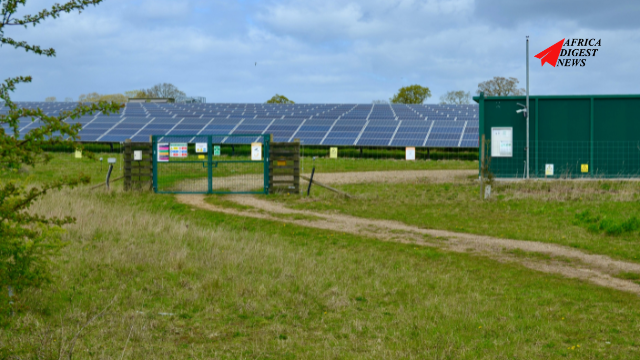
The Global Solar Council’s latest report highlights a stark disparity: while 82% of clean energy funding in Africa originates from public and development finance, primarily targeting large-scale utility projects, the rapidly expanding distributed solar segment struggles to access adequate capital.
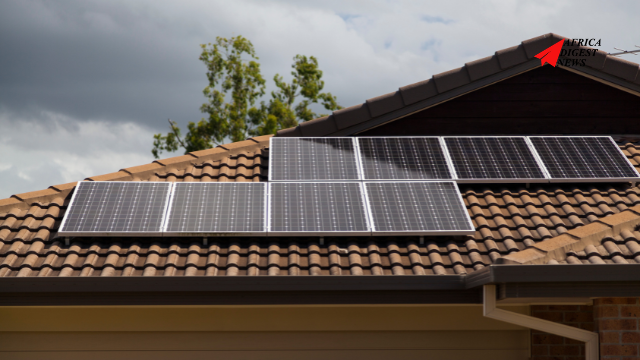
Distributed solar, encompassing rooftop, commercial, and off-grid deployments, requires a fundamentally different financing approach. These projects typically involve smaller ticket sizes, demand shorter tenors for repayment, and crucially, necessitate local currency funding to mitigate foreign exchange risks for local developers and consumers.
The prevailing financing structures, designed for multi-million or billion-dollar utility-scale ventures, simply do not cater to these specific requirements.
This mismatch creates a bottleneck for a sector that is otherwise booming. The import of 18.2 GW of solar modules into Africa in 2025, significantly exceeding utility-scale projections, unequivocally demonstrates a massive, consumer-led demand for distributed solar.
Addressing this financing gap is a high-stakes imperative. It requires a deliberate shift in strategy from both international financiers and African governments. Innovation in financial products, such as blended finance models, risk-sharing facilities, and guarantees tailored for smaller-scale projects, is essential.
Read Also: Is Eskom’s Power System Better Than Five Years Ago What the Data Shows
Furthermore, fostering local financial institutions and building their capacity to assess and fund distributed solar projects in local currencies will be critical. This also necessitates a re-evaluation of regulatory frameworks to create an enabling environment that de-risks distributed solar investments and attracts private capital at scale.
The narrative must move beyond simply celebrating overall investment figures to a granular understanding of where capital is truly needed and how it can be effectively deployed.
Africa’s clean energy future, particularly its ability to deliver energy access and drive inclusive growth, hinges on its capacity to finance the decentralized solutions that are proving most impactful on the ground.
The challenge is misalignment of financing structures with the realities of Africa’s diverse and dynamic solar market. Overcoming this hidden gap is the next frontier in the continent’s energy transition, demanding strategic foresight and a commitment to equitable development.
By Thuita Gatero, Managing Editor, Africa Digest News. He specializes in conversations around data centers, AI, cloud infrastructure, and energy.