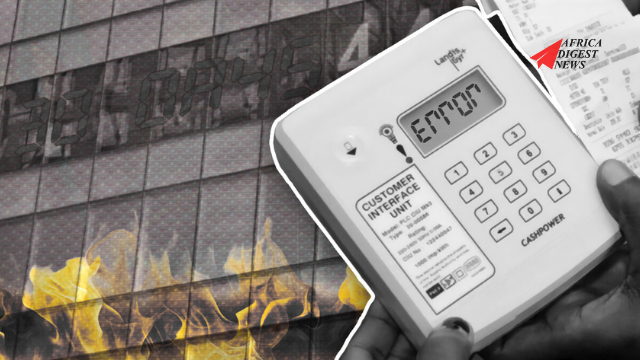
With the cost of electricity in South Africa on a steady incline, getting the most value out of every Eskom prepaid token has become a financial necessity for many households. Maximizing your purchase isn’t just about using less electricity; it’s about using it smarter.
1. Master the Art of Geyser Management
The electric geyser is, without a doubt, one of the most power-hungry appliances in a typical South African home, often accounting for up to 40% of a household’s electricity bill. Taming this energy beast is your first and most effective step. Instead of letting it run continuously, install a timer to heat water only during specific times, such as an hour before morning showers.
Additionally, insulating your geyser and hot water pipes with a geyser blanket and pipe lagging can reduce heat loss by over 50%, meaning the water stays hotter for longer and the element kicks in less frequently. Lowering the thermostat on your geyser to 60°C also provides significant savings without a noticeable difference in water temperature for most uses.
2. Conduct a “Phantom Load” Audit
Many modern appliances consume power even when they are switched off, a phenomenon known as “phantom load” or “vampire power.” Chargers, televisions, gaming consoles, and microwaves in standby mode are all silent culprits that slowly drain your prepaid units.
Make it a household rule to unplug all appliances at the wall when not in use. While a single device might only draw a few watts, the cumulative effect of multiple devices drawing power 24/7 can add up to a surprising amount over a month. A simple power strip can make this process easier, allowing you to switch off multiple devices at once.
3. Optimize Your Cooking Habits
Next to the geyser, the stove is often the second-largest energy consumer. You can achieve significant savings by adopting more efficient cooking habits. Use pots and pans with flat bottoms that match the size of the stove plate to ensure maximum heat transfer.
Keep lids on your pots to retain heat, which can reduce cooking time and energy use by up to 30%. For smaller meals, a microwave, pressure cooker, or slow cooker is far more energy-efficient than a conventional oven. A microwave, for instance, can use up to 75% less energy than a large oven to cook or reheat food.
4. Embrace the Power of LED Lighting
If you haven’t already, switching to Light Emitting Diode (LED) bulbs is one of the quickest wins in reducing your electricity consumption. LED bulbs use up to 85% less energy than traditional incandescent bulbs and can last up to 25 times longer.
While the initial cost is higher, the long-term savings on both your electricity bill and replacement costs are substantial. Focus on replacing the bulbs in the most frequently used areas of your home first, such as the kitchen and living room, to maximize your return on investment.
5. Understand Your Tariff and Use It to Your Advantage
Knowledge is power, especially when it comes to Eskom tariffs. Many residential customers are on an Inclining Block Tariff (IBT), where the price per unit increases as you consume more. By being aware of these blocks, you can consciously try to keep your consumption within the cheaper, initial block. Read your meter regularly to track your usage throughout the month.
This allows you to identify high-consumption periods and make adjustments before you are forced to buy expensive units in a higher tariff block. This proactive monitoring is the key to ensuring your token purchases are as cost-effective as possible.
By Thuita Gatero, Managing Editor, Africa Digest News. He specializes in conversations around data centers, AI, cloud infrastructure, and energy.


