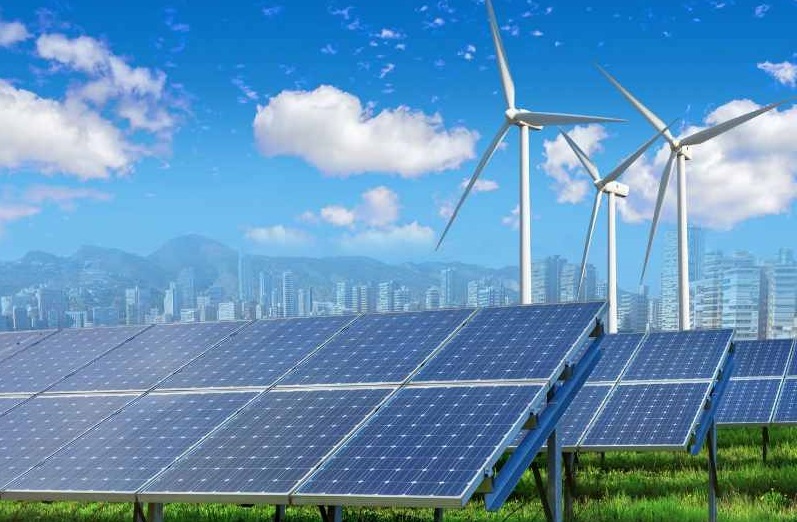
Nairobi, Kenya – February 10, 2026 – Africa’s solar energy sector is poised for explosive growth, with new projections indicating the continent could install over 33 GW of solar capacity by 2029. This ambitious forecast, detailed in the Global Solar Council’s (GSC) “Africa Market Outlook for Solar PV: 2026-2029,” represents more than six times the capacity added in 2025 and is underpinned by a robust 21% compound annual growth rate (CAGR).
This trajectory positions Africa as one of the world’s fastest-growing solar markets, signaling a transformative era for energy access and sustainable development.
The GSC report highlights that this anticipated growth will be driven by the parallel expansion of both distributed and utility-scale markets across an increasing number of countries. The momentum from 2025, which saw a 54% year-on-year increase in solar installations, provides a strong foundation for this future expansion.
The report emphasizes that while headline capacity targets are important, the next phase of growth will be shaped less by these figures and more by the continent’s “system readiness”.
This readiness involves crucial reforms in financing, planning, and regulatory frameworks. The GSC warns that a misalignment in these areas could slow deployment, raise system costs, and limit the economic value of solar. Conversely, with the right policy and market signals, the upside is significant.
Realizing the 33 GW target will depend on creating an enabling environment that allows solar and storage to deliver not only clean power but also enhanced reliability, economic productivity, and long-term energy security.
Key recommendations from the GSC to support this next phase of growth include:
- Finance models fit for distributed and consumer-led solar: Unlocking investment in rooftop, commercial, and captive systems that are increasingly driving deployment.
- Improved data collection and planning frameworks: Ensuring grid and investment decisions keep pace with market evolution by accurately reflecting where and how solar is being deployed.
- Accelerated investment in storage, grids, and system flexibility: Maintaining reliability and supporting rising industrial and commercial energy demand.
- Stable and predictable policy and regulatory environments: Reducing risk, crowding in private capital, and enabling long-term project pipelines.
The high stakes of achieving this growth cannot be overstated. Africa’s energy demand is expected to grow eight-fold by 2050, and the continent possesses 60% of the world’s best solar resources. Harnessing this potential is critical to delivering affordable, reliable power at scale, fostering industrialization, and lifting millions out of poverty.
The 33 GW target by 2029 is not just a number; it represents a strategic imperative for Africa to solidify its position as a global leader in sustainable energy and drive its economic transformation.
Read Also: Africa Energy Bank Launches with $500M Seed Capital, Targets $5B for Continental Energy Projects
This ambitious forecast underscores the continent’s determination to leverage its abundant solar resources to redefine its energy future. The challenge now lies in translating these projections into tangible realities through concerted efforts from governments, private sector, and international partners, ensuring that Africa’s solar boom continues its unstoppable trajectory.
By Thuita Gatero, Managing Editor, Africa Digest News. He specializes in conversations around data centers, AI, cloud infrastructure, and energy.