Uganda had about 2,098 MW of installed electricity generation capacity by the end of 2025, giving the country a substantially larger power fleet than it had just a few years ago. But the headline capacity figure does not tell the whole story. Uganda’s electricity system remains overwhelmingly dependent on hydropower, which accounts for the vast majority of both installed capacity and actual electricity generated for the national grid.
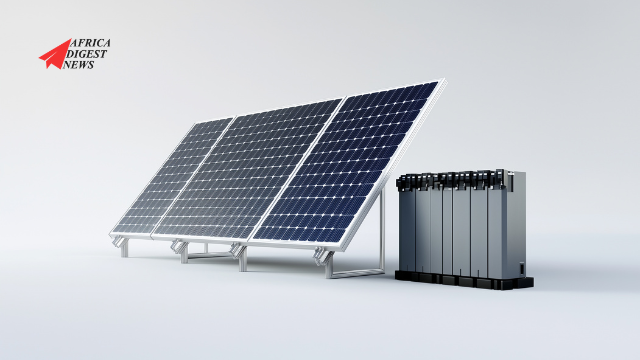
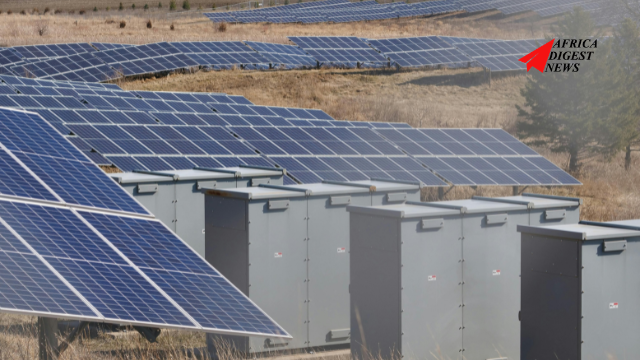
Large hydropower alone contributes about 1,433 MW to the installed fleet. The biggest plants include Karuma at 600 MW, Bujagali at 250 MW, Kiira at 200 MW, Nalubaale at 180 MW and Isimba at 183 MW. Another roughly 290 MW comes from small hydropower plants, while sugar mills contribute around 150 MW through bagasse cogeneration. Utility-scale solar contributes about 84 MW, while thermal plants using heavy fuel oil and diesel account for roughly 90–100 MW.
That mix means Uganda’s generation profile is even more concentrated than its installed-capacity figures suggest. Hydropower supplied about 89% of the electricity generated to the national grid in 2025, while solar and thermal generation each contributed only a small share. The difference between installed capacity and actual generation matters because a plant’s capacity does not mean it produces at that level continuously; availability, water conditions, demand and how a plant is dispatched all determine how much electricity ultimately reaches consumers.
Uganda’s power system is therefore highly renewable but not highly diversified. Hydropower provides the backbone of the system, while solar, thermal generation, bagasse and smaller hydro plants provide additional capacity. That is also why new generation technologies can have an impact beyond their headline megawatt figures. More solar can add daytime generation, while thermal or gas-fired capacity can provide dispatchable power when hydro output is constrained or demand rises.
Read Also: Why Morocco Has Become GAC’s Gateway to a New-Energy Africa
The next phase of Uganda’s electricity system is consequently less about simply adding megawatts and more about broadening where those megawatts come from. The country has already built a power fleet of more than 2 GW, but the dominance of hydro means diversification will increasingly matter as electricity demand grows and Uganda develops new industrial and oil-sector loads. The emerging gas-to-power projects linked to the Tilenga and Kingfisher developments are one example: more than 100 MW would be relatively small beside Uganda’s total fleet, but significant enough to add another source of firm generation to a system where hydropower currently does most of the work.