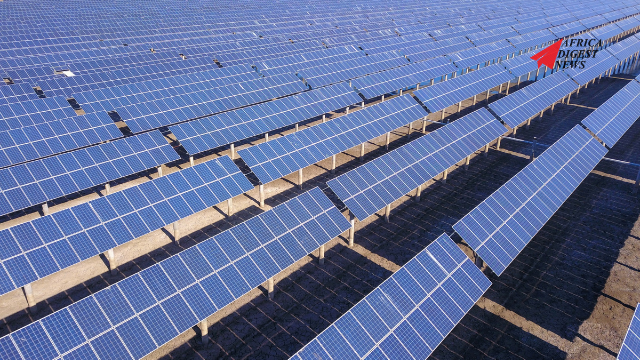
Chad is using a €37.9 million solar-plus-storage project near N’Djamena to test whether renewable energy can be financed in one of the Sahel’s highest-risk markets. Developed by French independent power producer Qair, the project comprises two solar plants at Gassi and Lamadji with a combined 30 MWp of solar capacity and 8 MW/8 MWh of battery storage. The plants are expected to generate about 65 GWh a year, supplying electricity to around 260,000 people while reducing reliance on diesel-based generation.
The project is backed by a 20-year power purchase agreement with national utility Tchadelec and will connect to the 90 kV N’Djamena loop, giving the plants a defined route into the capital’s electricity system. But the financing structure is what makes the project significant. The African Development Bank and Proparco are providing about €30.4 million in senior loans, while the AfDB-managed Sustainable Energy Fund for Africa is contributing a €6 million reimbursable grant and Proparco/AFD is providing a further €1.5 million.
An €8 million partial risk guarantee is also being used to cover specified payment obligations under the PPA. That matters in Chad because the risk facing an investor is not limited to whether the solar plants can generate electricity. The financial strength of the off-taker, government obligations, regulatory conditions and the wider political environment all affect whether a project can attract conventional private capital. The financing package therefore combines debt, concessional funding and risk protection rather than asking commercial investors to absorb those risks on their own.
Read Also: Why Africa’s $2 Trillion Capital Pool Is Not Yet Solving Its Energy Problem
The structure is being positioned as a potential model for other renewable projects across the Sahel, where strong solar resources have not automatically translated into large volumes of private investment. The approach could support additional solar-plus-storage plants, mini-grids and hybrid systems in markets where financing costs and perceived risks remain high. It also fits into the AfDB’s Desert to Power programme, which aims to develop up to 10 GW of solar capacity across the Sahel.
The test now is whether the structure can be repeated beyond this project. If the Gassi and Lamadji plants reach operation as planned and the financing arrangements perform over time, the transaction could provide lenders and developers with a reference point for allocating political, off-taker and project risks in other fragile markets. For the Sahel, that would shift part of the renewable energy challenge from finding solar resources to creating financing structures capable of turning those resources into investable power projects.